Breeding Program
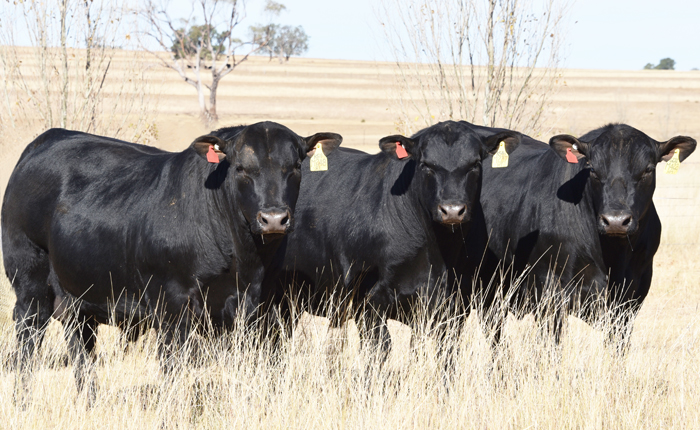
Texas Angus has always had a commercial focus on its breeding operation. It has been like this for over 86 years. Currently 1,000 stud Angus females are run in large contemporary groups to gain the most accurate performance data and ease of management. We find this system best suits our management of pastures and time efficiency since there is only a couple of us operating the stud!
Profitability is the key driver of our operation and our herd strives to maximise not only kg/ha but also $/ha without jeopardising carcase quality or fertility. Our ultimate aim is to provide a consistent pleasurable eating experience for consumers through a balanced breeding program overseen with sustainable agricultural principles.
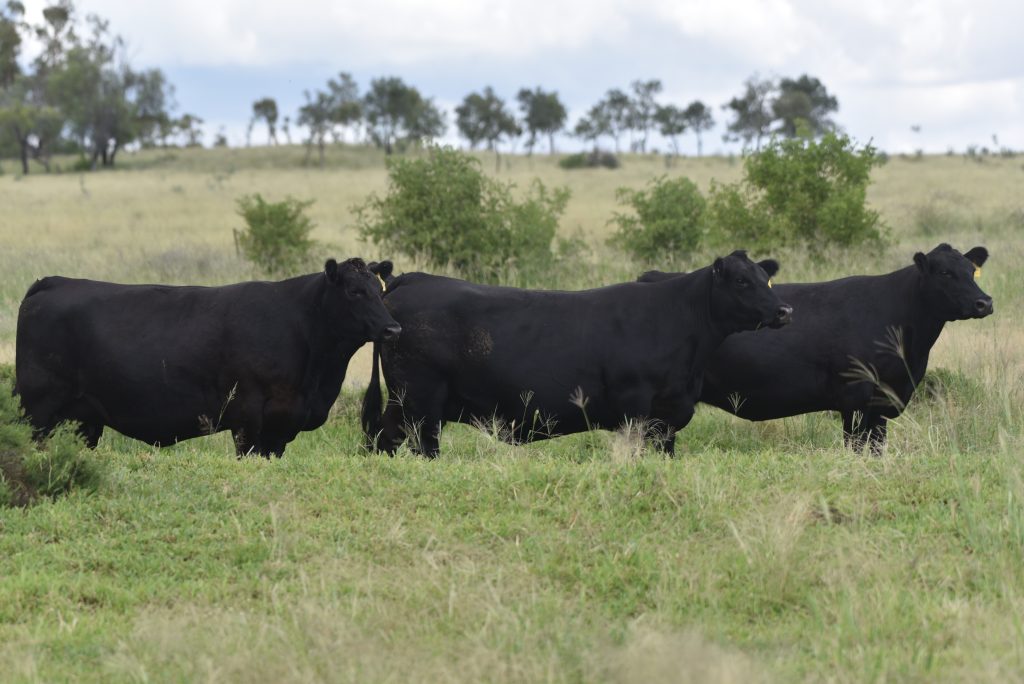
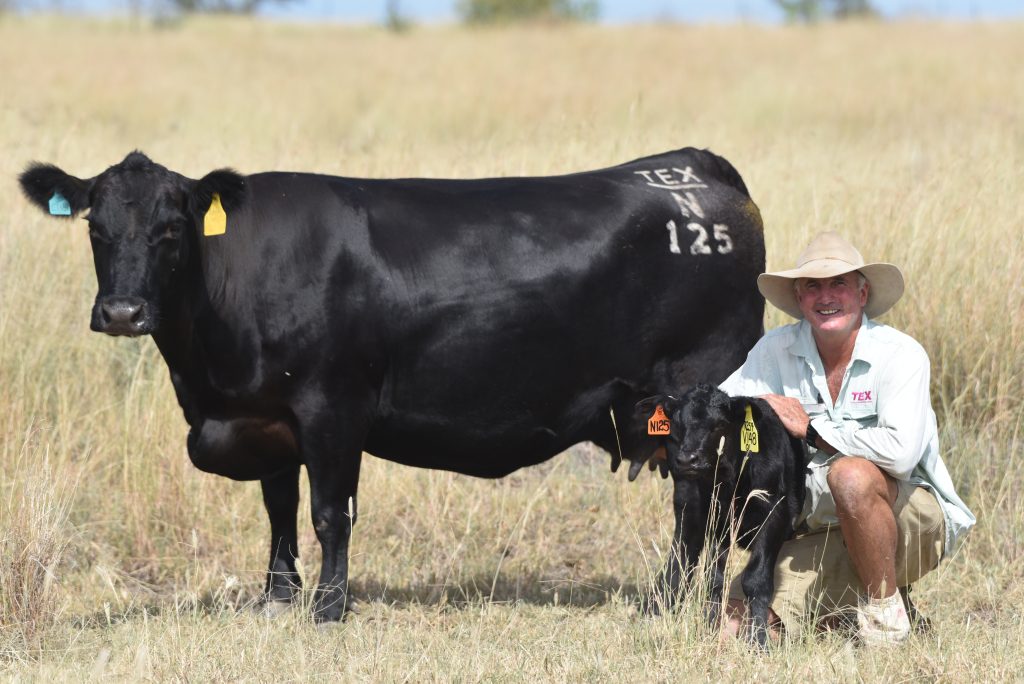
We inseminate up to 80% of the herd to carefully selected world-leading sires to enhance the performance and carcase quality as well as expand genetic diversity. We have undertaken a large ET program for the last 10 years to accelerate the genetic gain of the herd
The selection of AI sires is based on the following criteria;
- Docility & phenotype – they must show a powerful sire outlook with plenty of bone, natural muscle, deep fleshing, length with good strong heads.
- Good structure including feet and mobility.
- Frame score ideally between 6.0 – 7.0.
- Balanced EBV’s with plenty of growth, early gestation (the most heritable trait), moderate birth, moderate milk, good EMA & IMF with breed average rib and rump fat. These sires must be tested free of recessive genes, parent verified and geneomically tested.
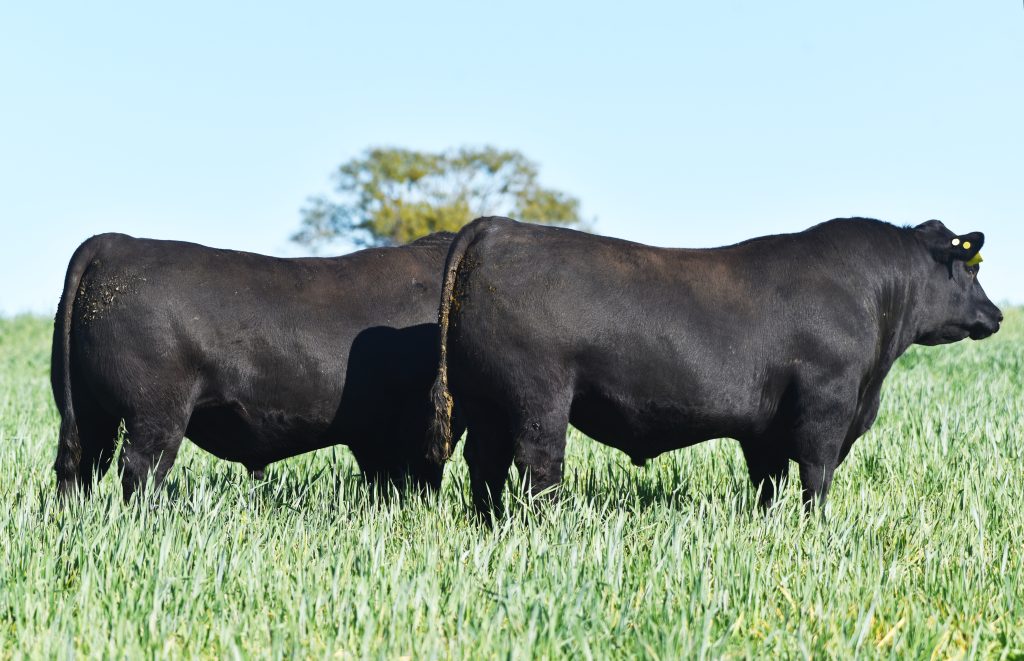
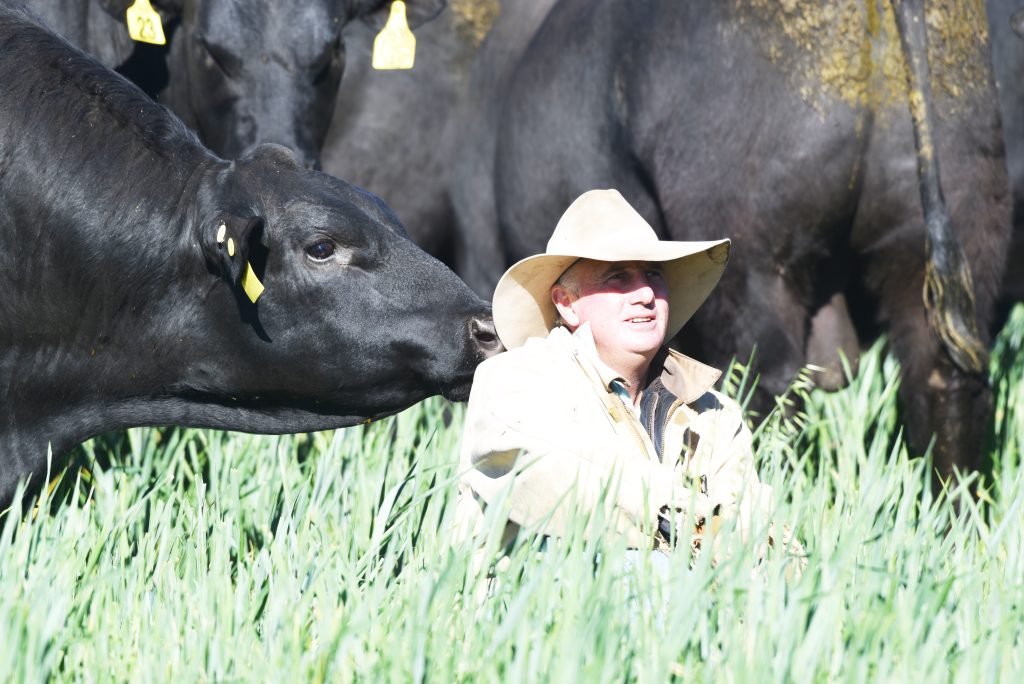
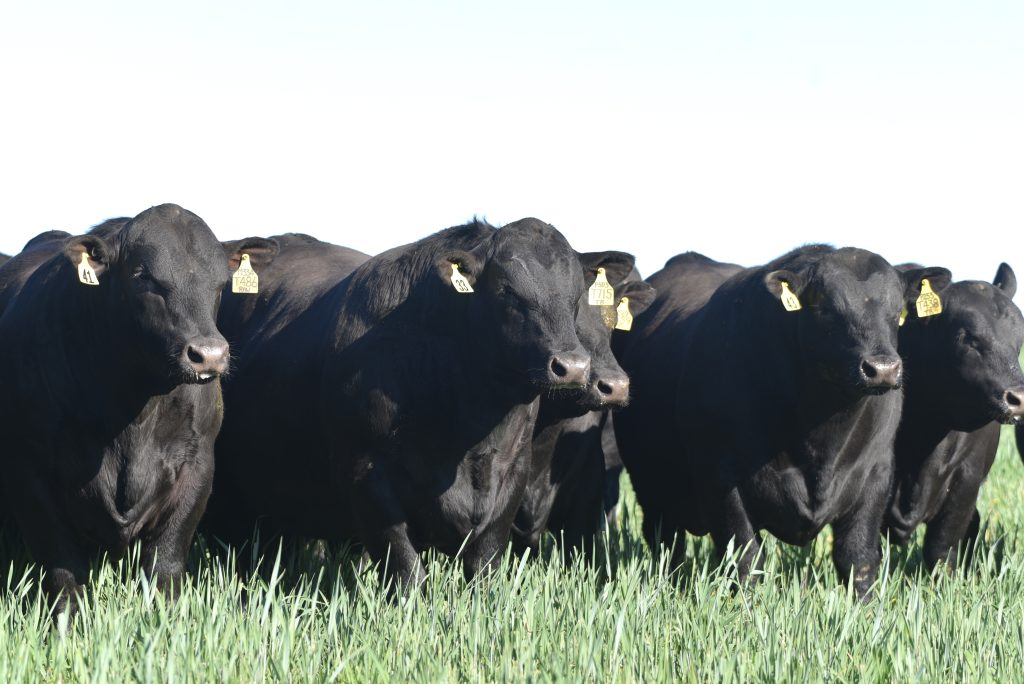
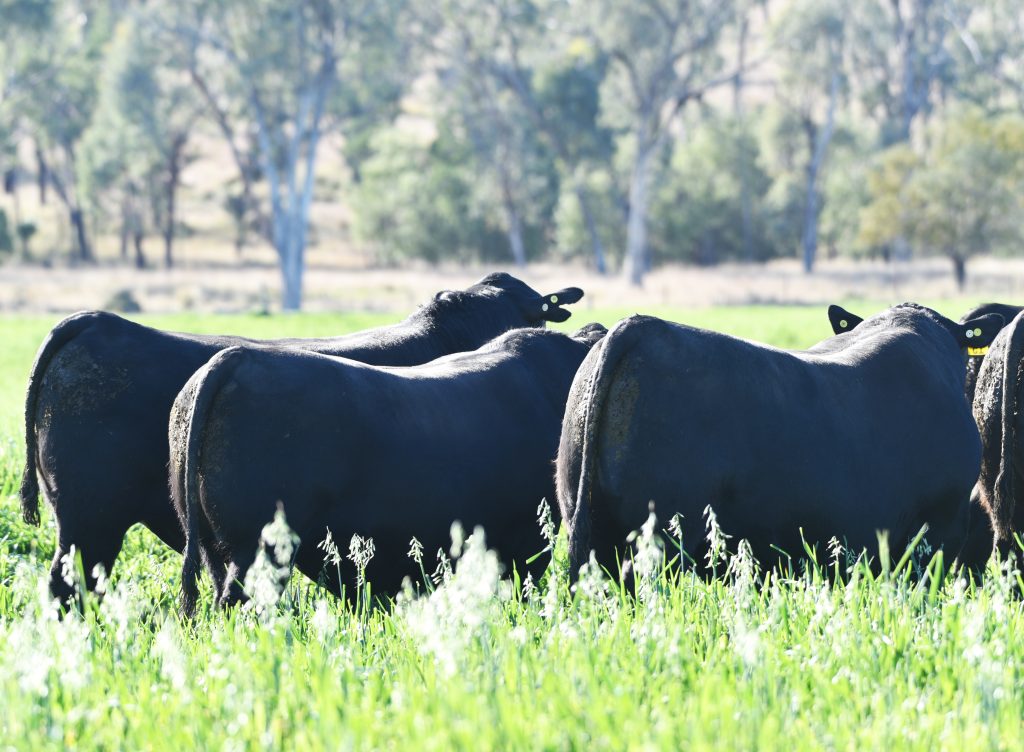
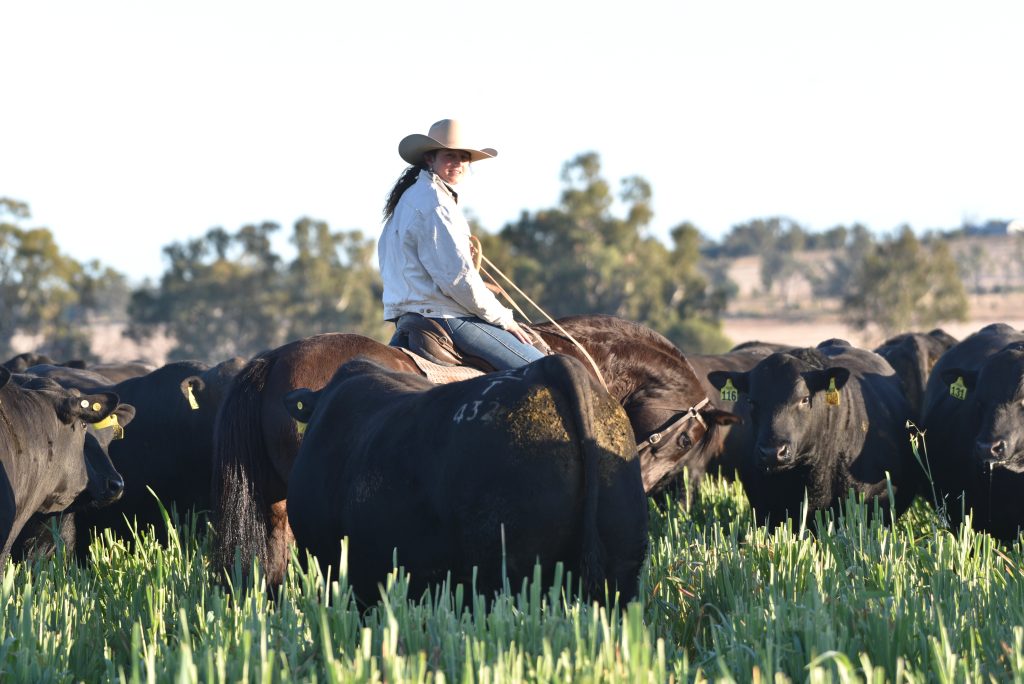
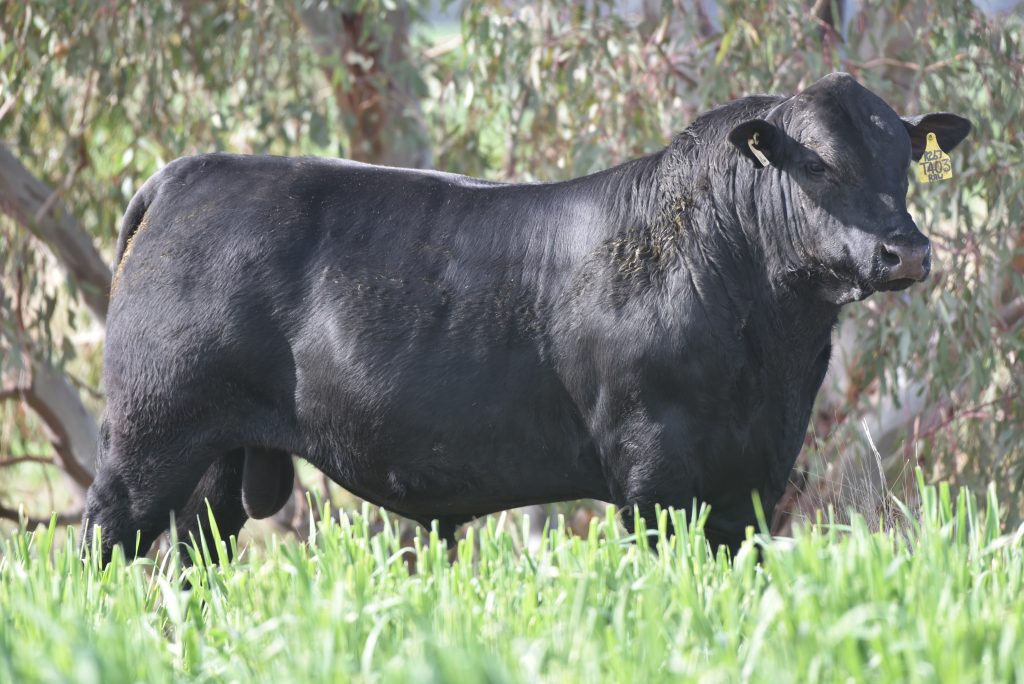
In conjunction with AI, the best progeny of cows bred to leading world sires are infused back into the herd for further progeny testing. Using Texas-bred sires helps keep a consistent even line and maintain the family bloodlines of the herd. Fertility is one of the most important traits in any breeding program and is a profit driver.
Our herd is run under an intensive grazing program applying pressure on each cow to test the capacity of her genetic traits. Dry times are an excellent test for our herds’ fertility and doing ability. Each year every cow must calve and is classed on the performance of her progeny, which must be of a consistent high standard to avoid culling.
With the introduction of AI, ET & IVF are all used in our breeding program over the last two decades and has changed dramatically in terms of growth, length and weight. The performance and cacase level of the herd has risen substantially whilst still maintaining the softness, fleshing, muscle and fertility. Our sale bulls are born onto raised on either native or raised on sub tropical grasses and sale prepared on oaten crop if the weather is favourable. Over the last 5 years our two-year-old bulls continue to average well over 800kgs with an average frame score of 6.
Carcase Benchmarking
In 2014 Ben and Wendy wanted to benchmark the Texas herd against not only Angus cattle but against all breeds and crosses. They wanted to identify sire and dam lines that were profitable and efficient. In a nutshell, they wanted to pinpoint the cattle that had high performance in weight gains, excel in the carcase and achieve a consistently high-quality eating experience.
So they entered 3 pens of steers in the 2014 Royal Agricultural (RAS) Beef Challenge at Wilga Feedlot at Bellata NSW. With very little experience in this type of competition and not knowing entries came from very elite seed stock and commercial herds of NSW and QLD, Ben and Wendy basically wanted to gain a greater knowledge of how the Texas genetics performed and use this information to accelerate their genetic breeding decisions.
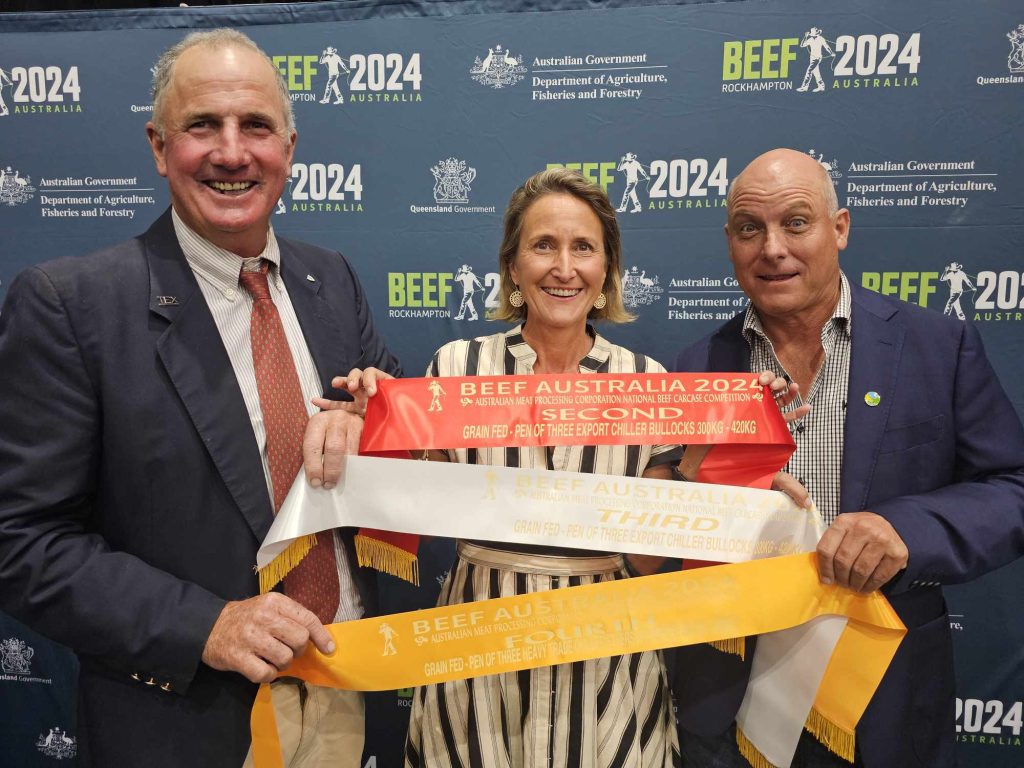
Photos below are a snap shoot of competing in 3 of Australia’s most prestigious and competitive feeder carcase trials from 2015 – 2024!
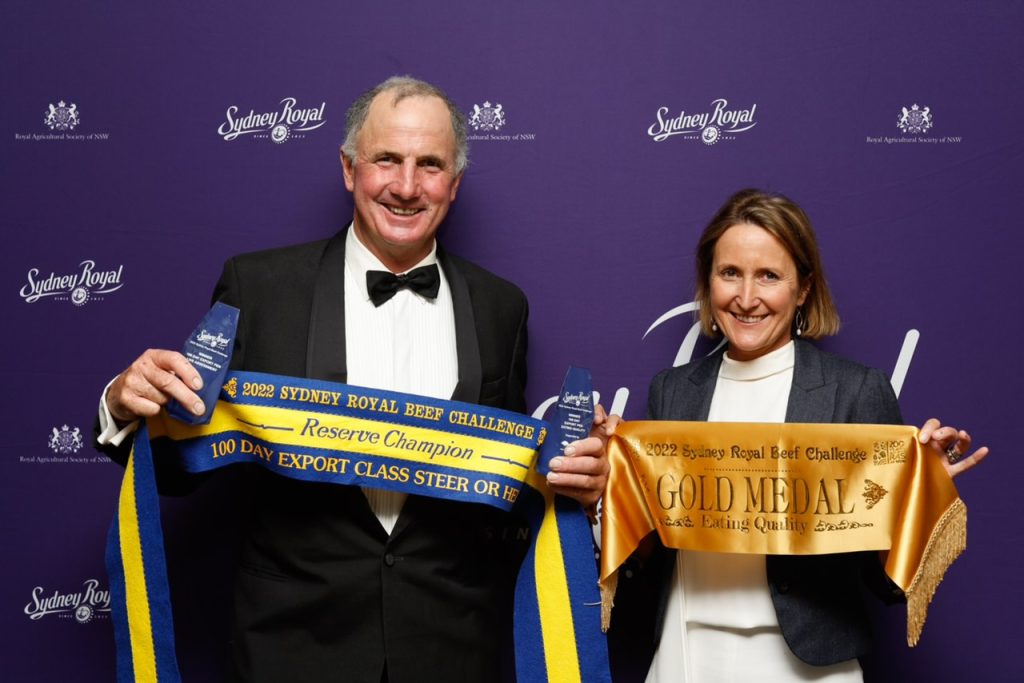
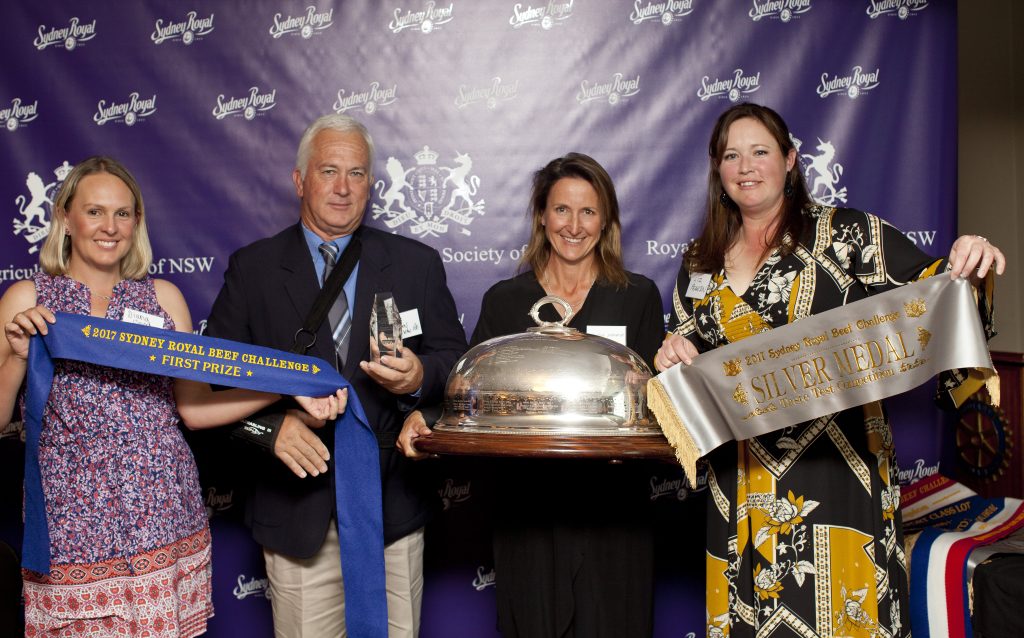
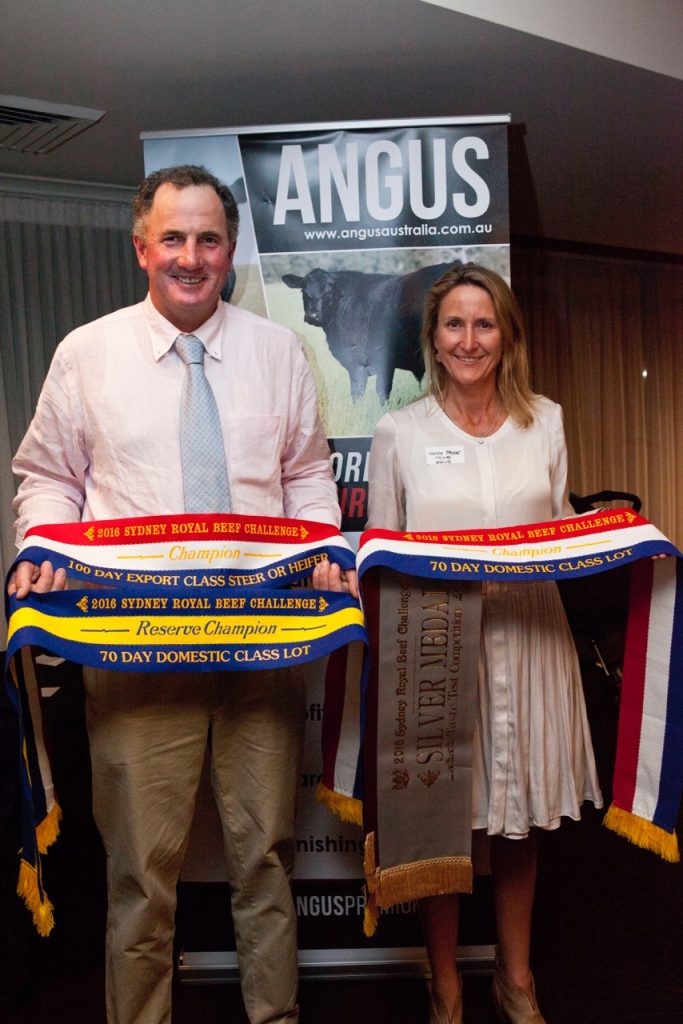
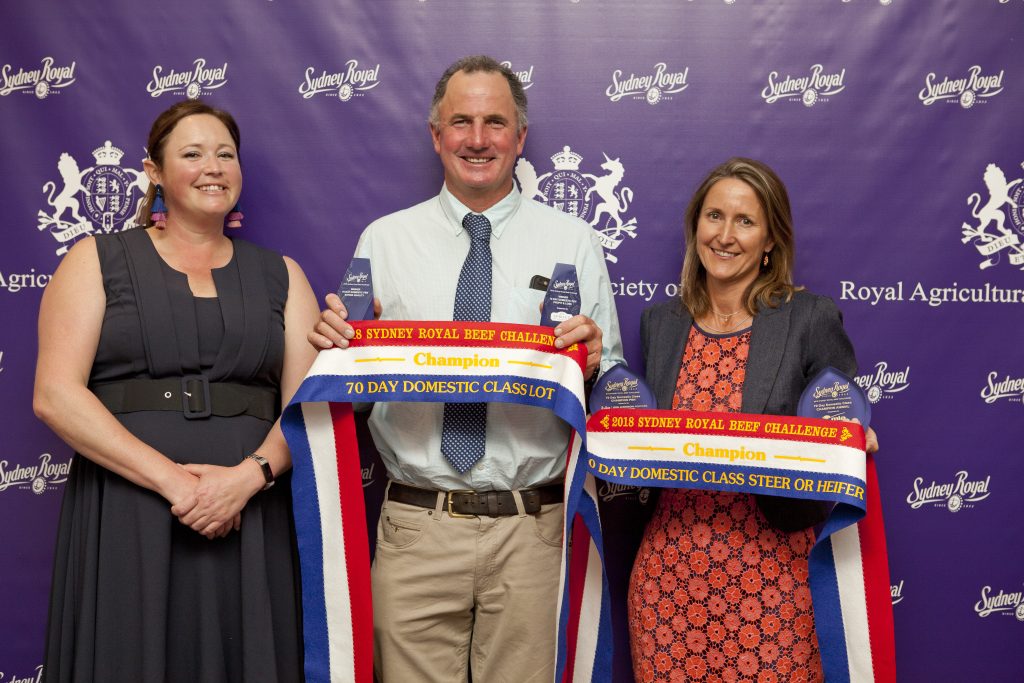
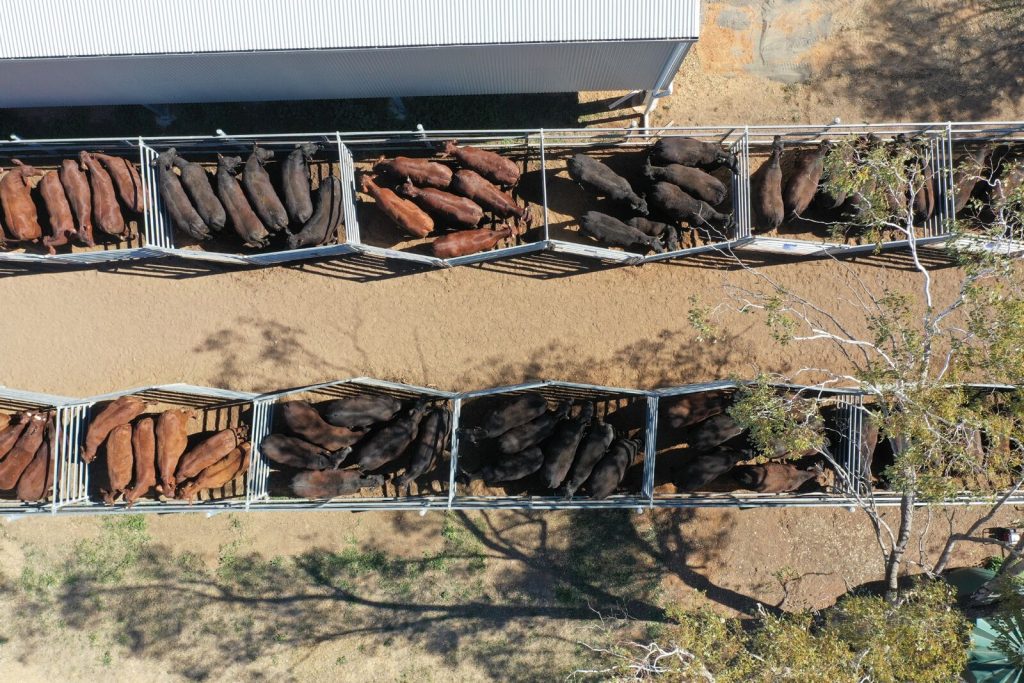
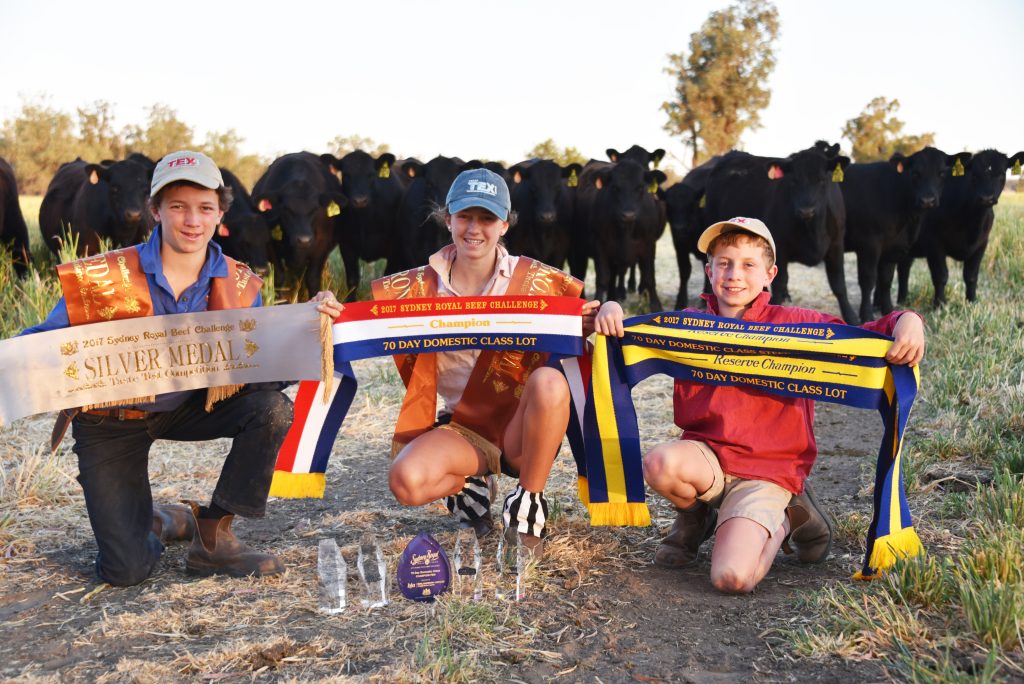
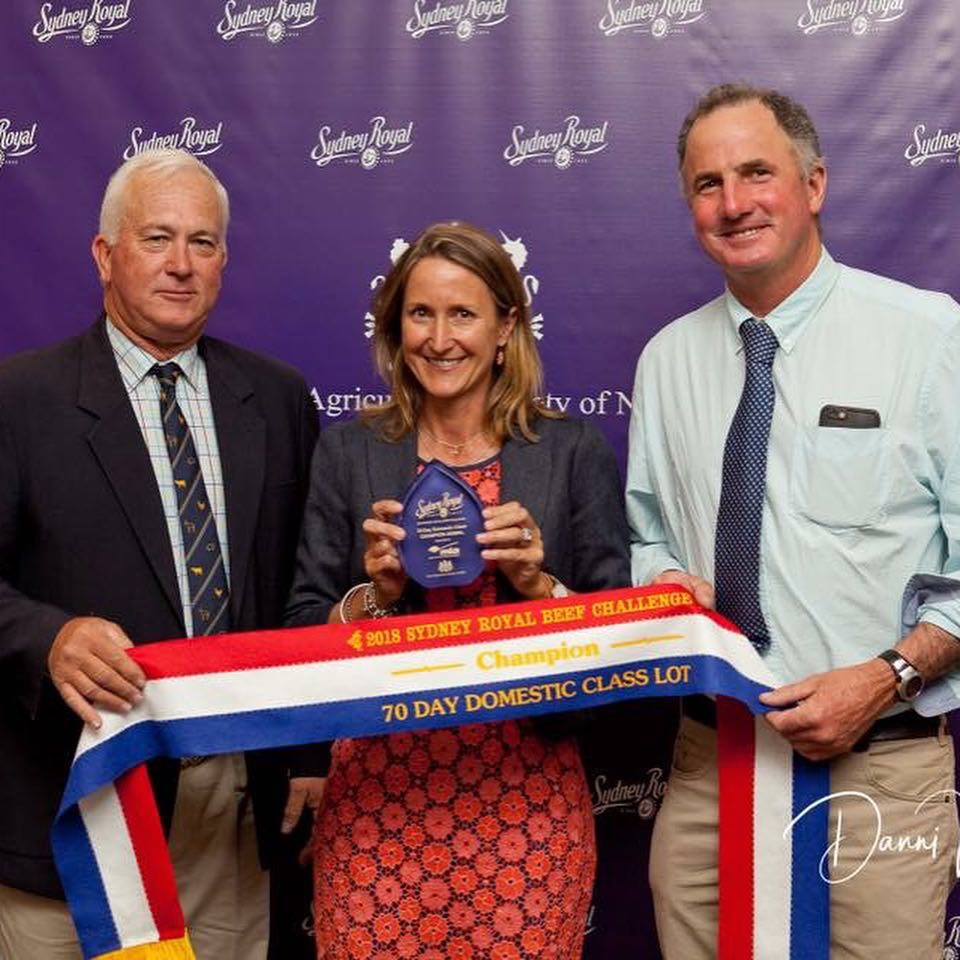
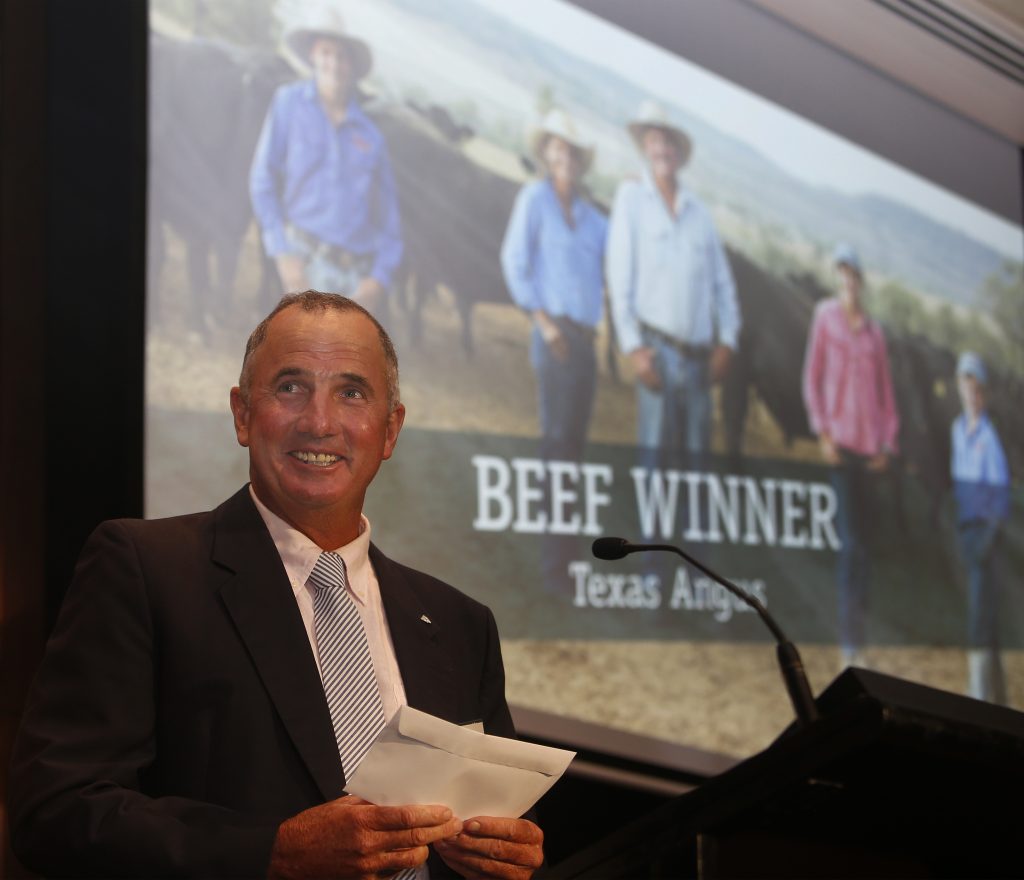
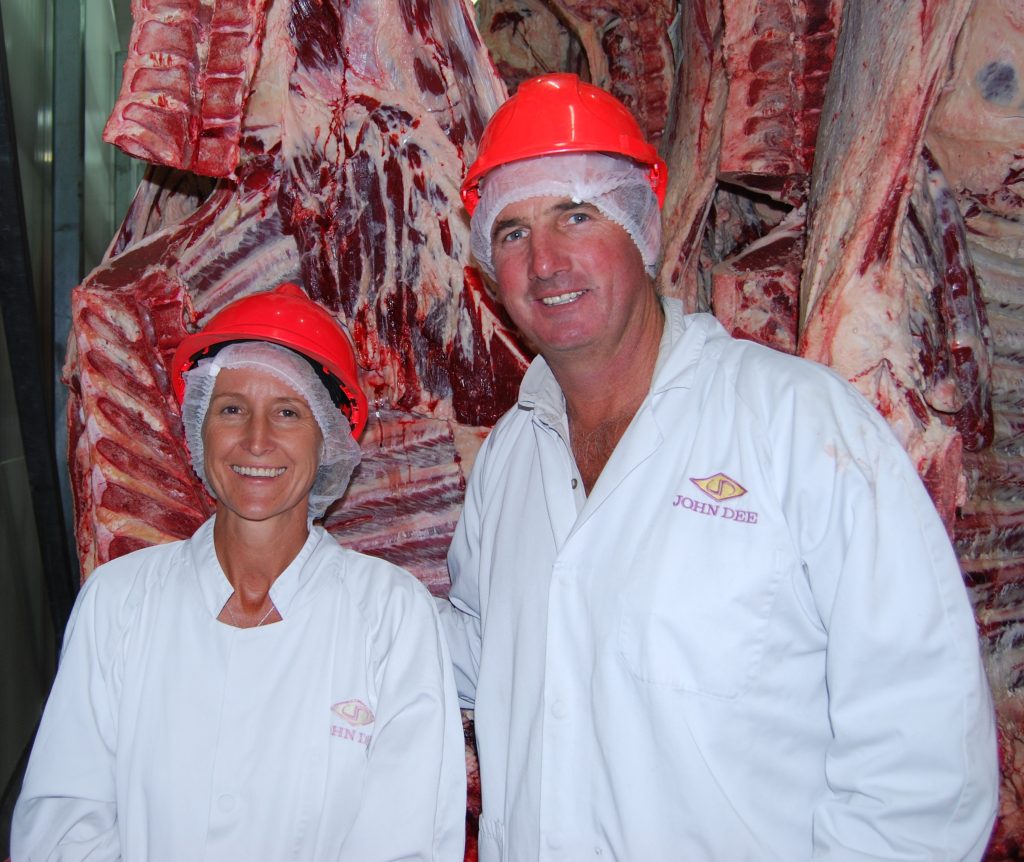
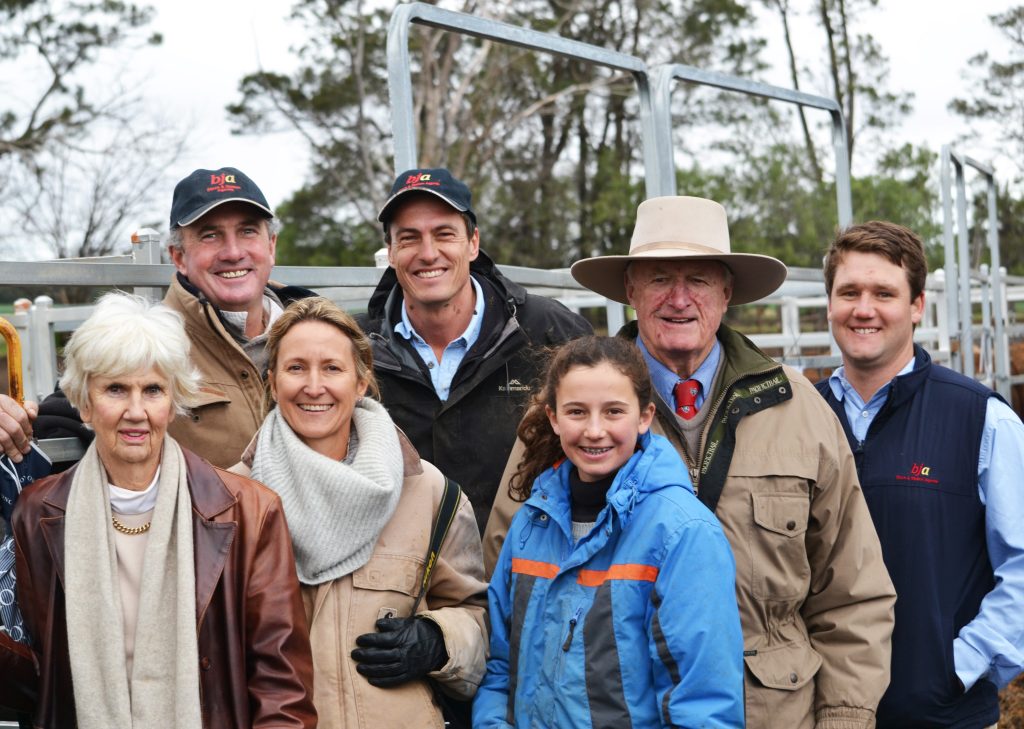
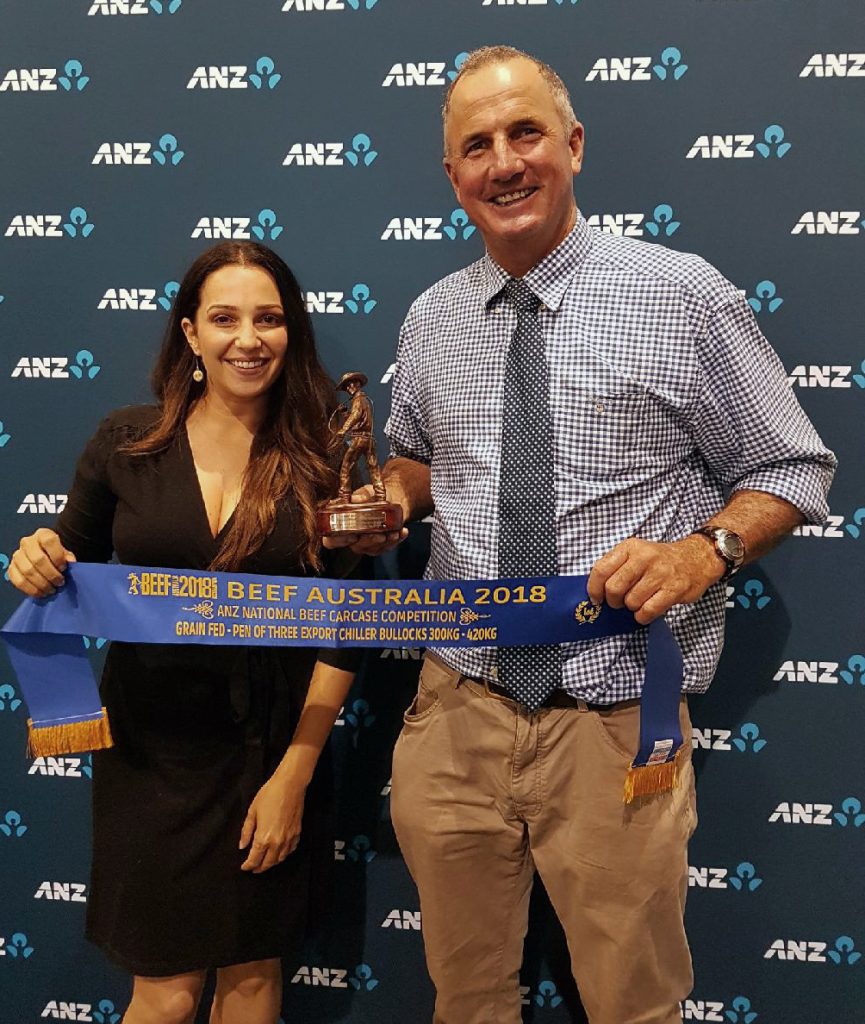
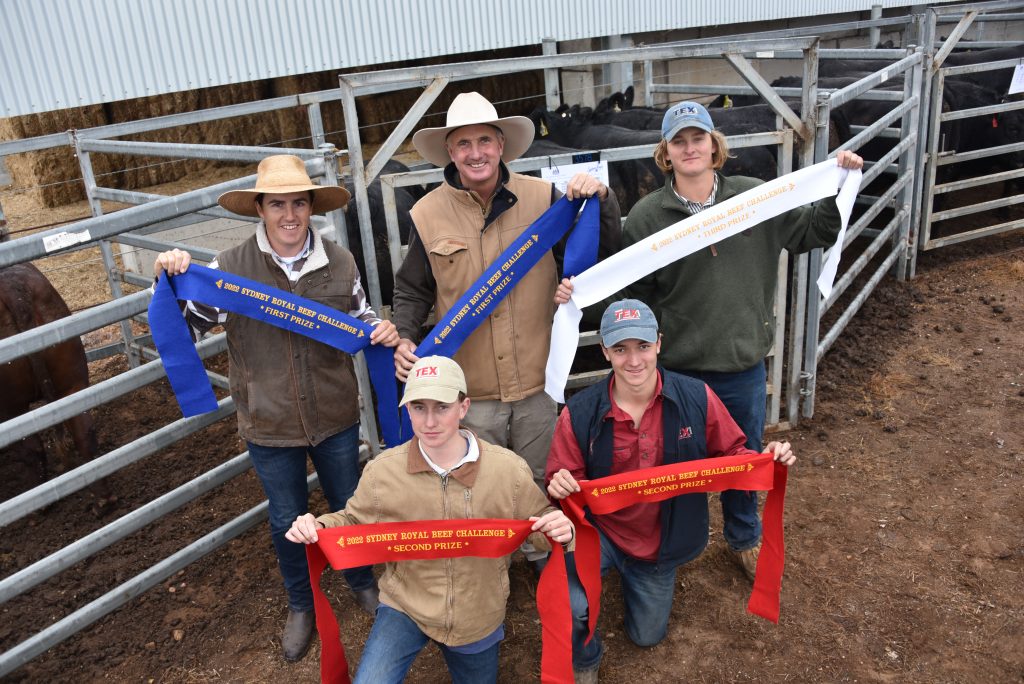
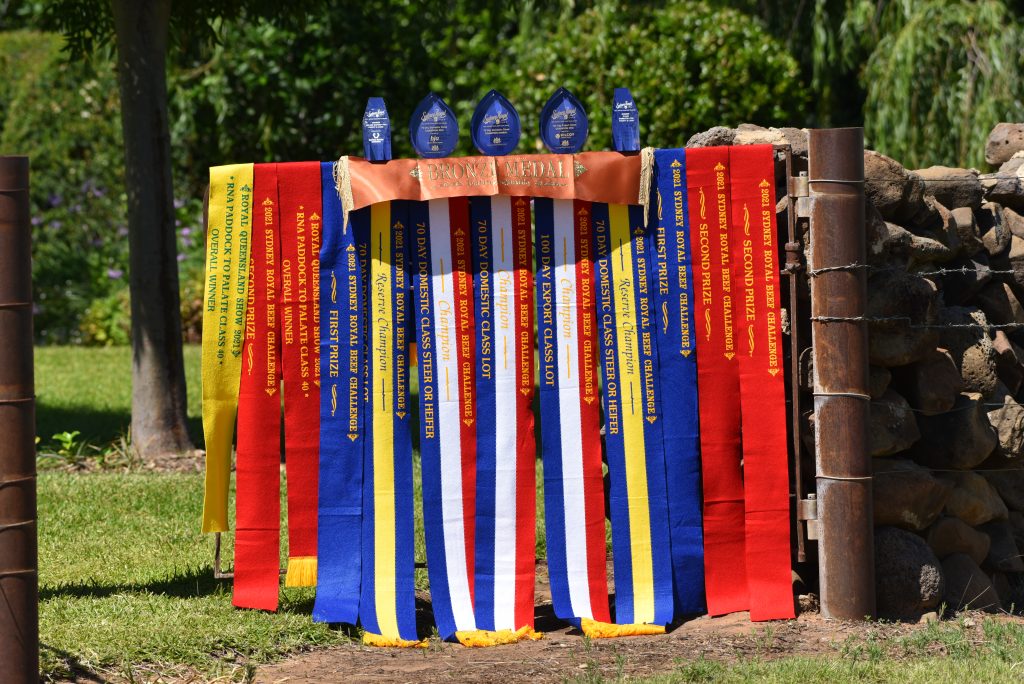
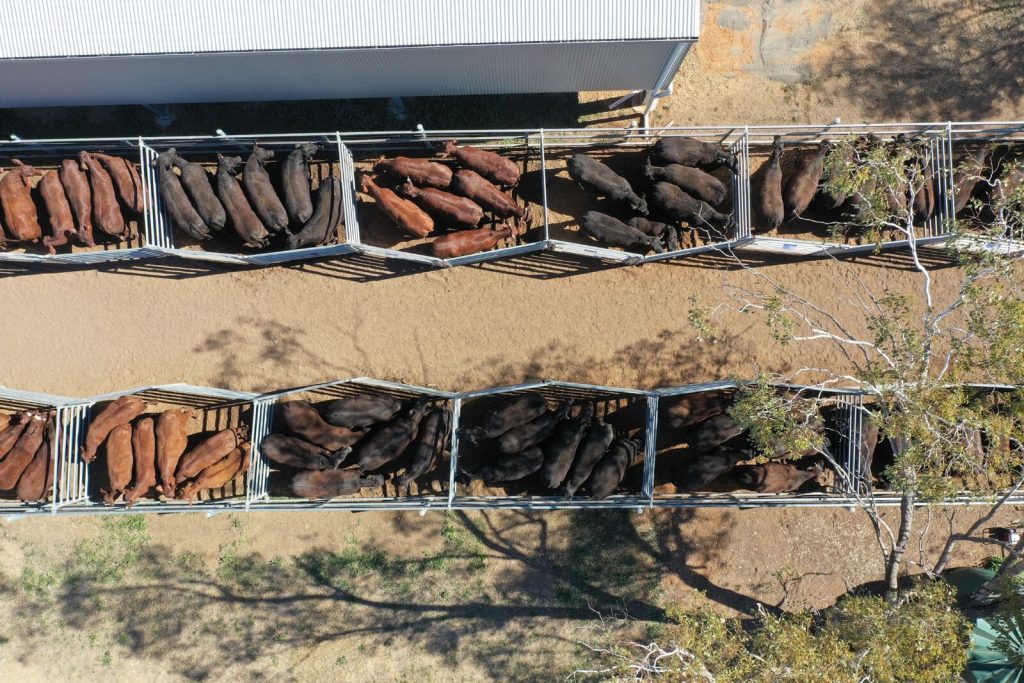
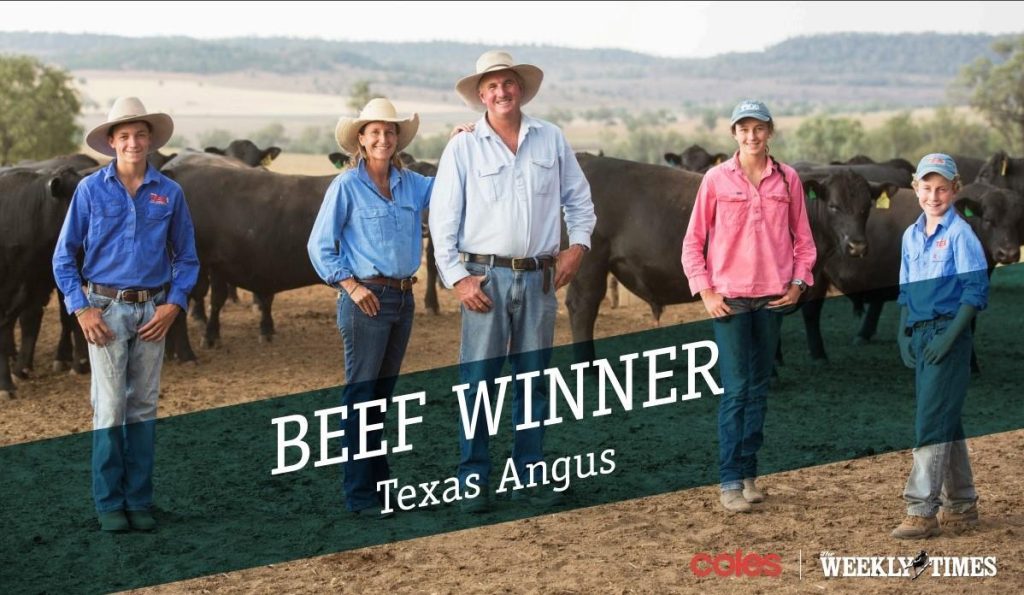
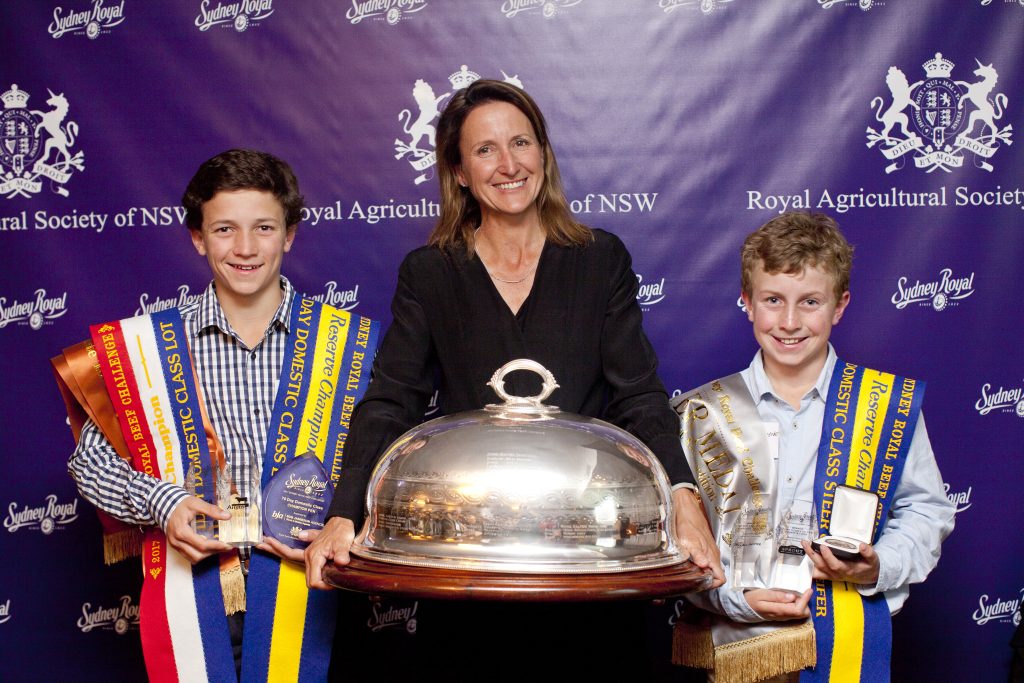
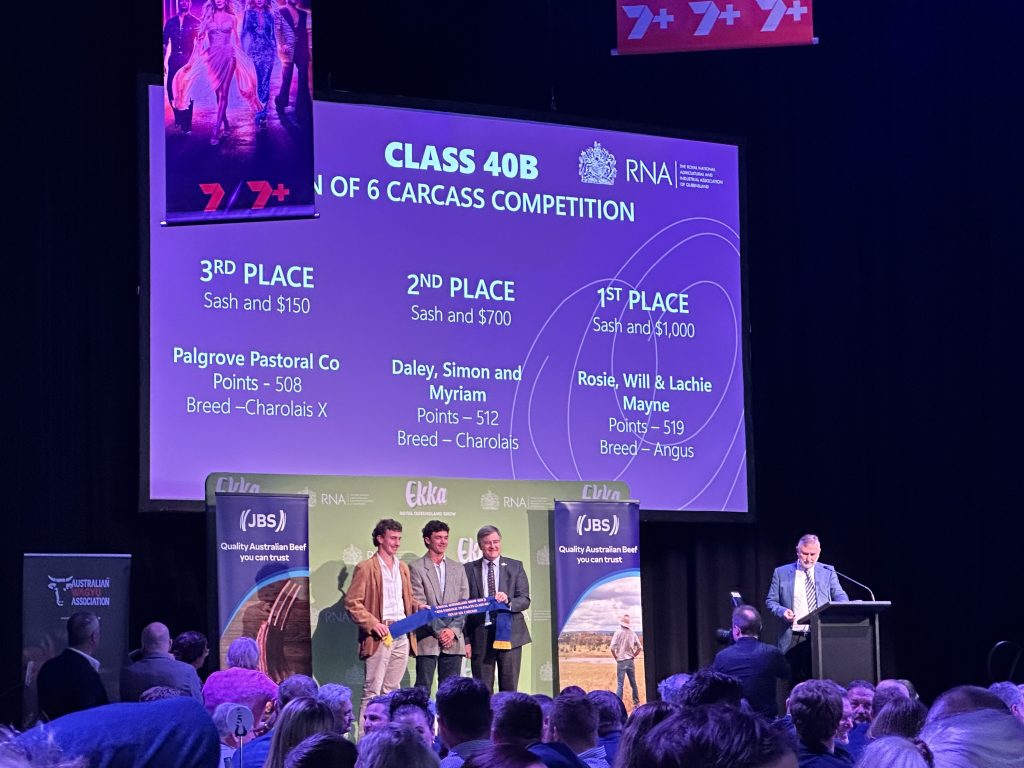
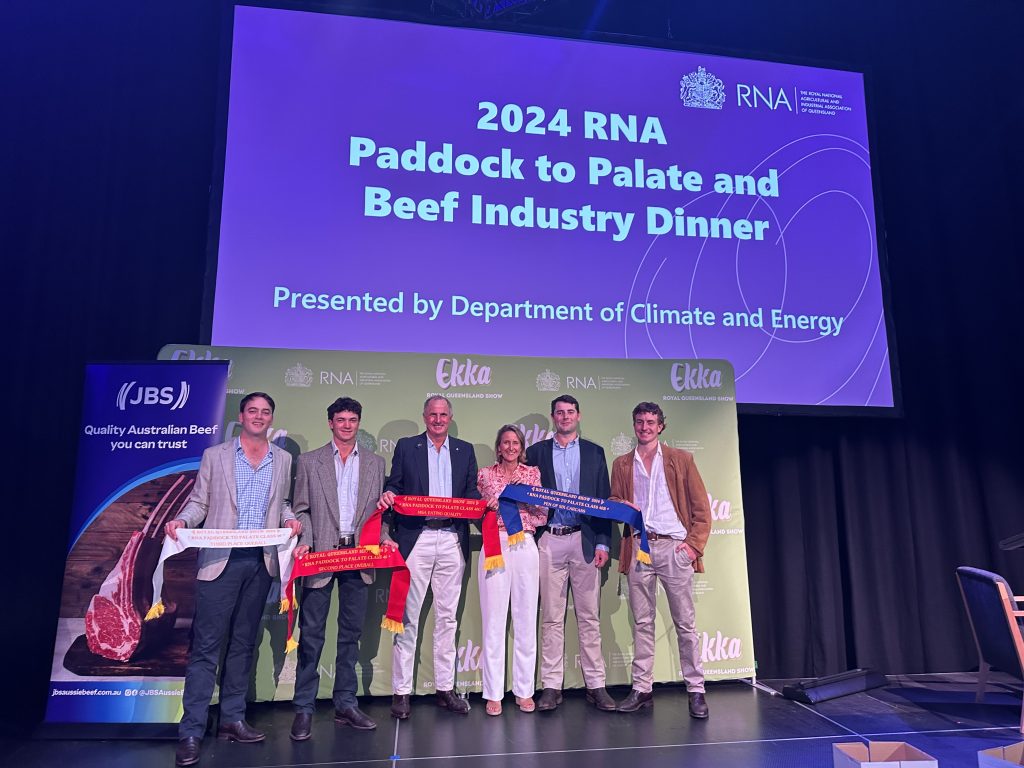
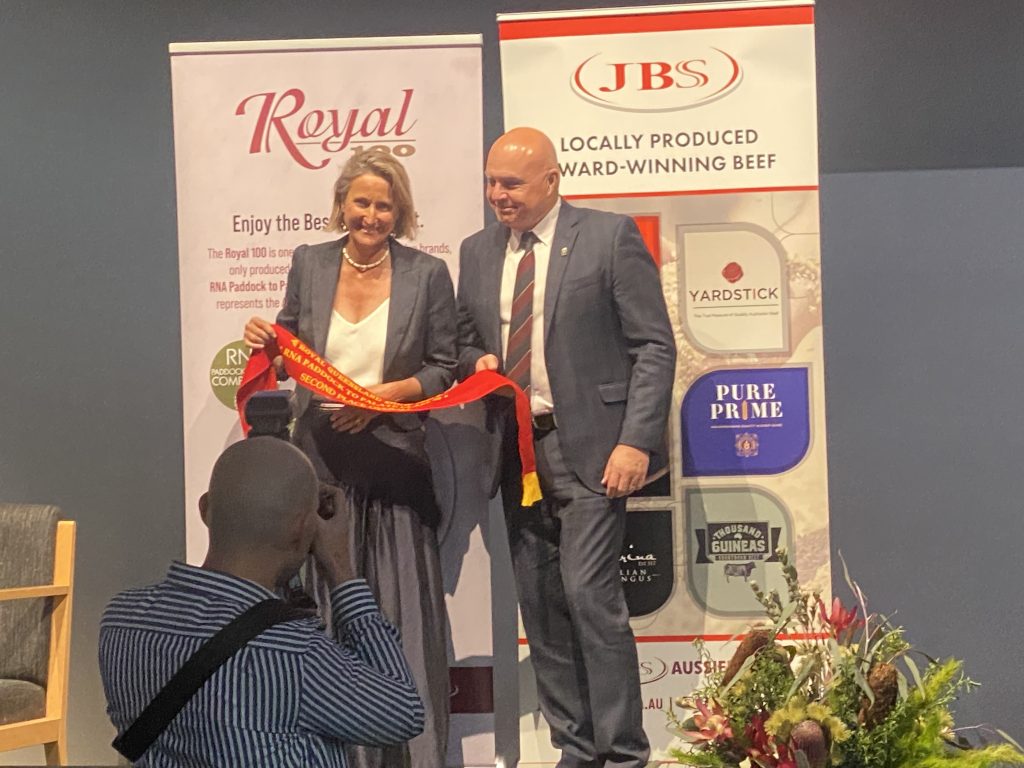
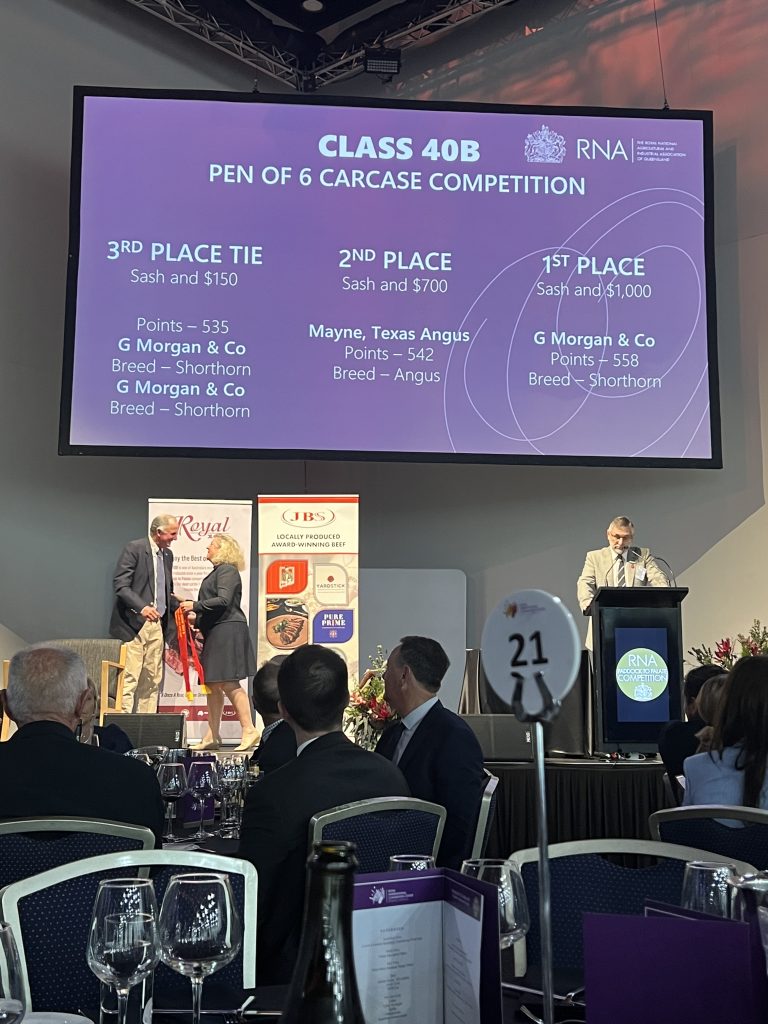
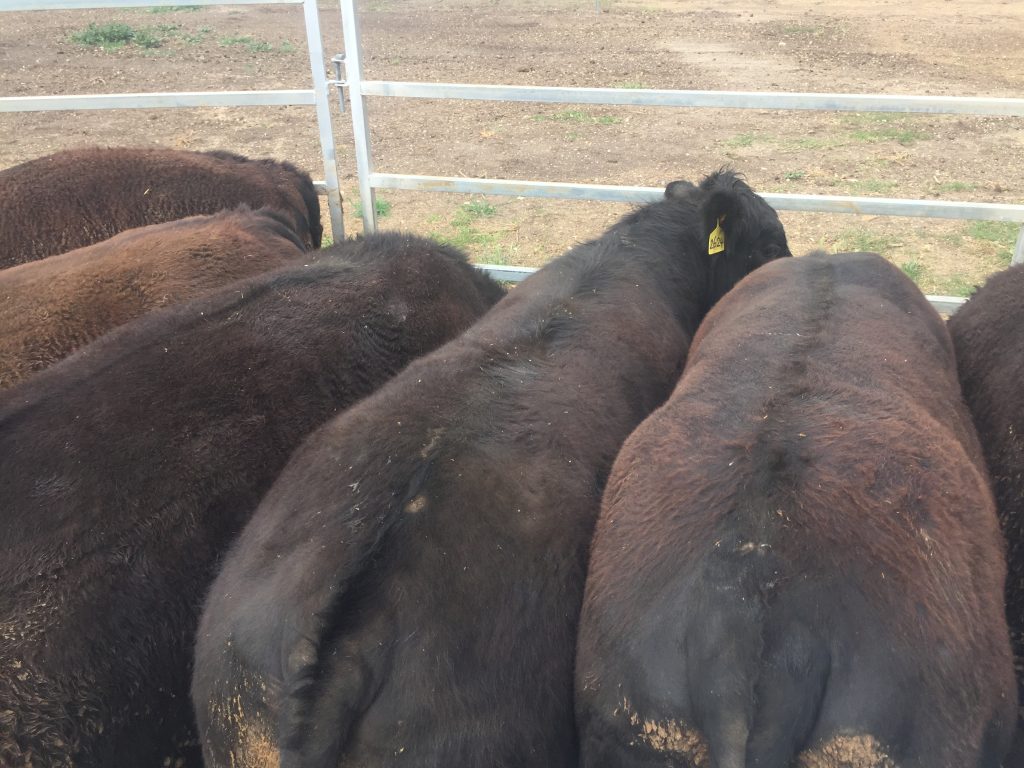
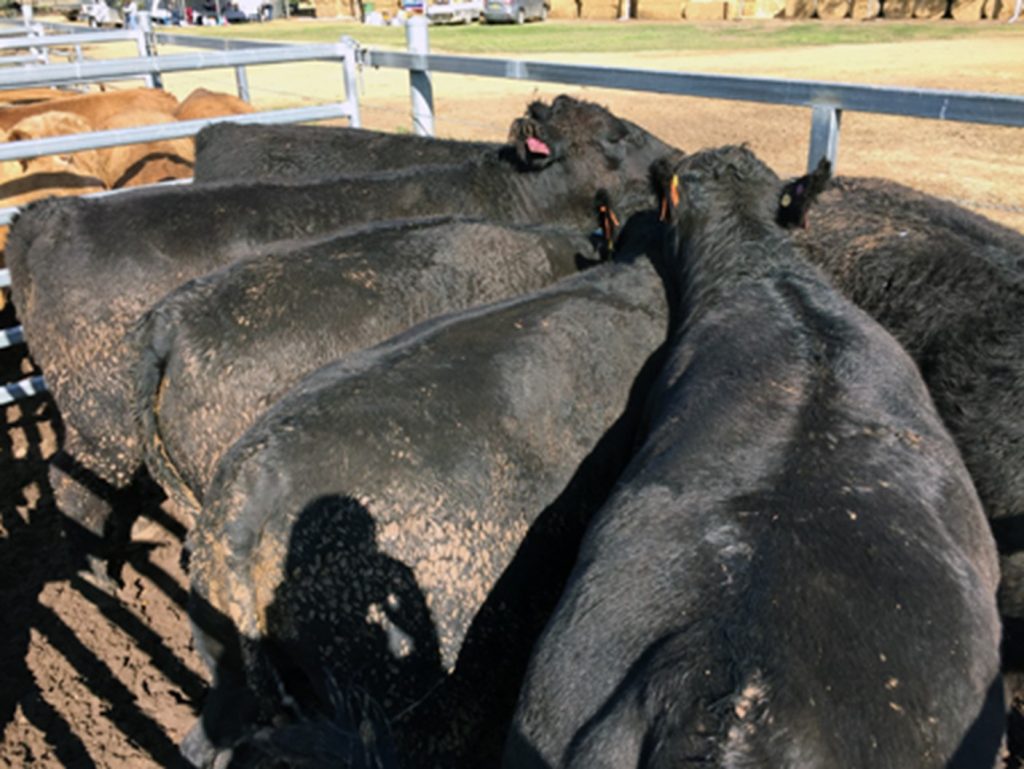
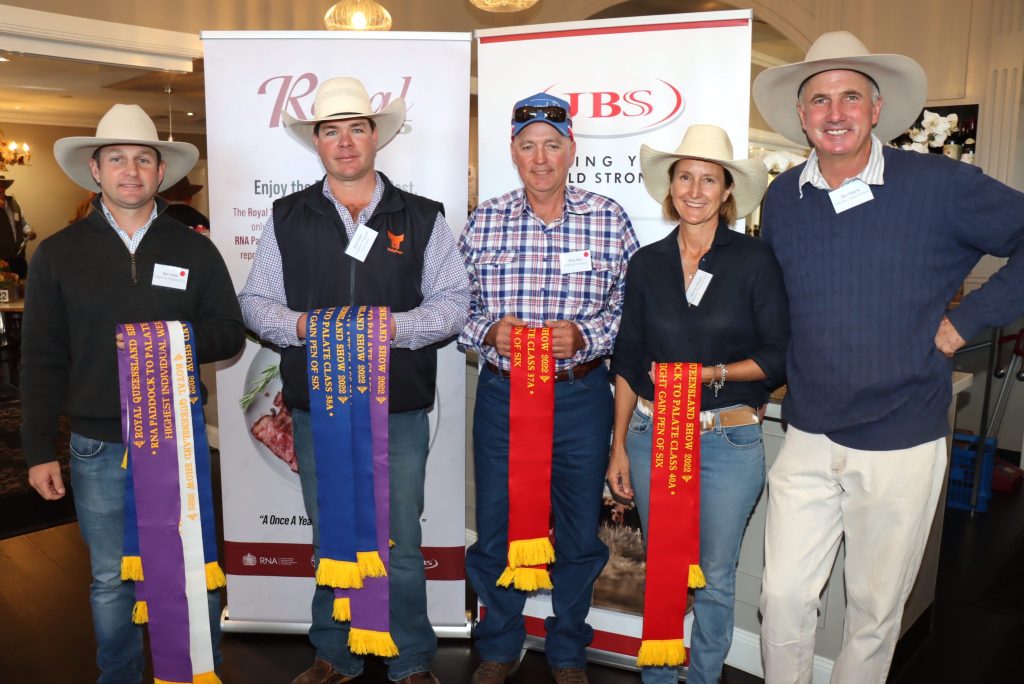
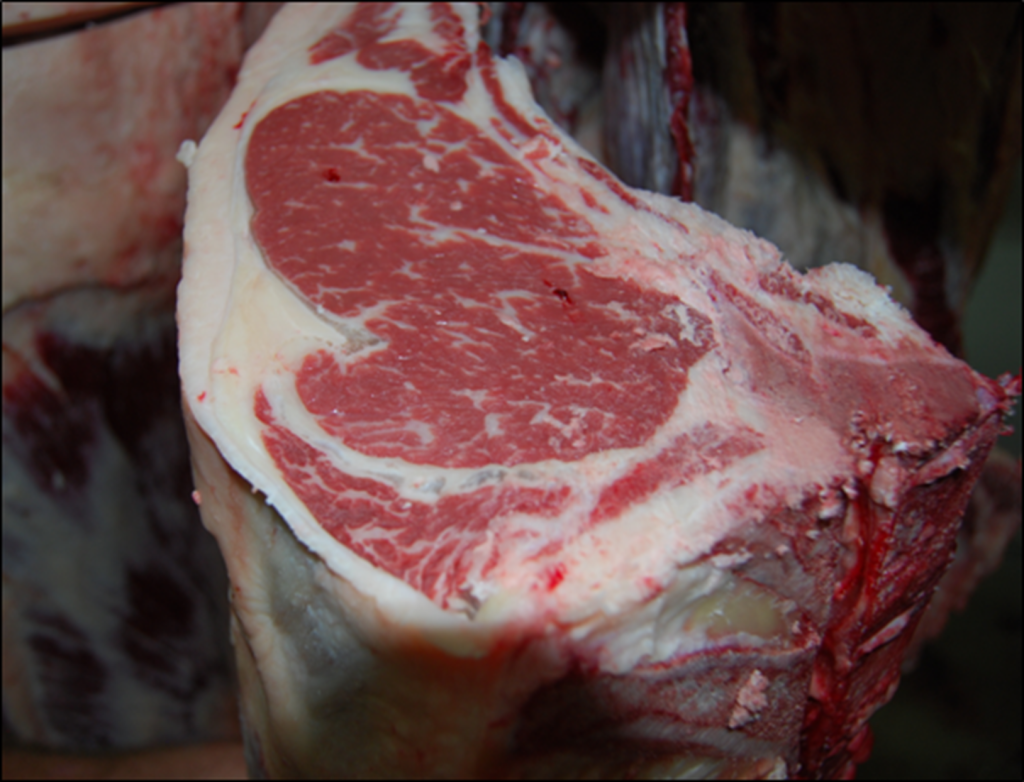
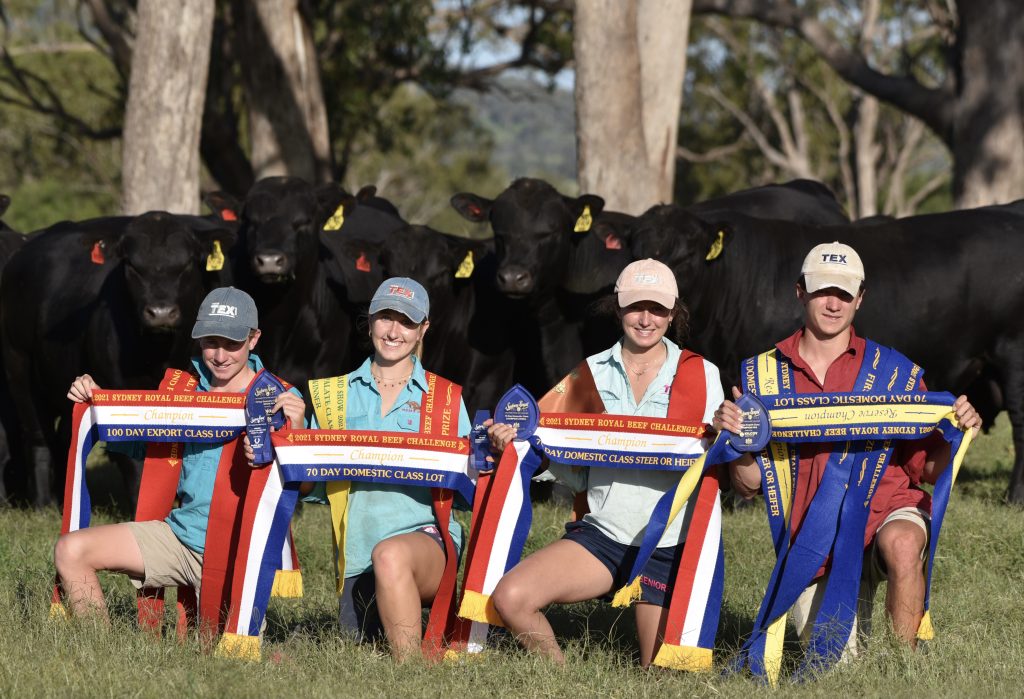
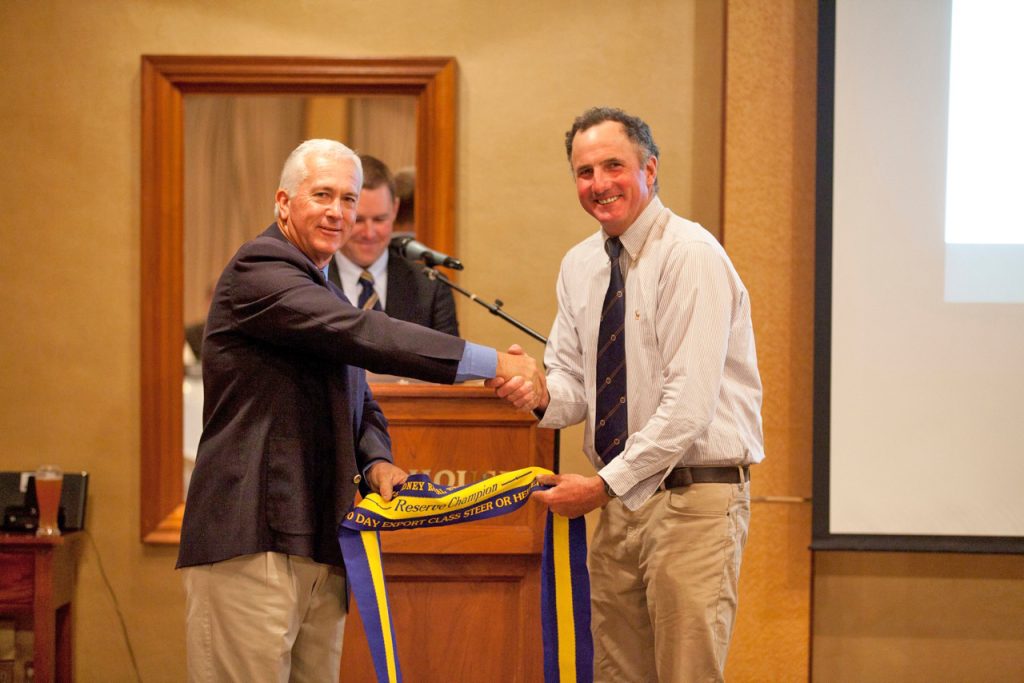
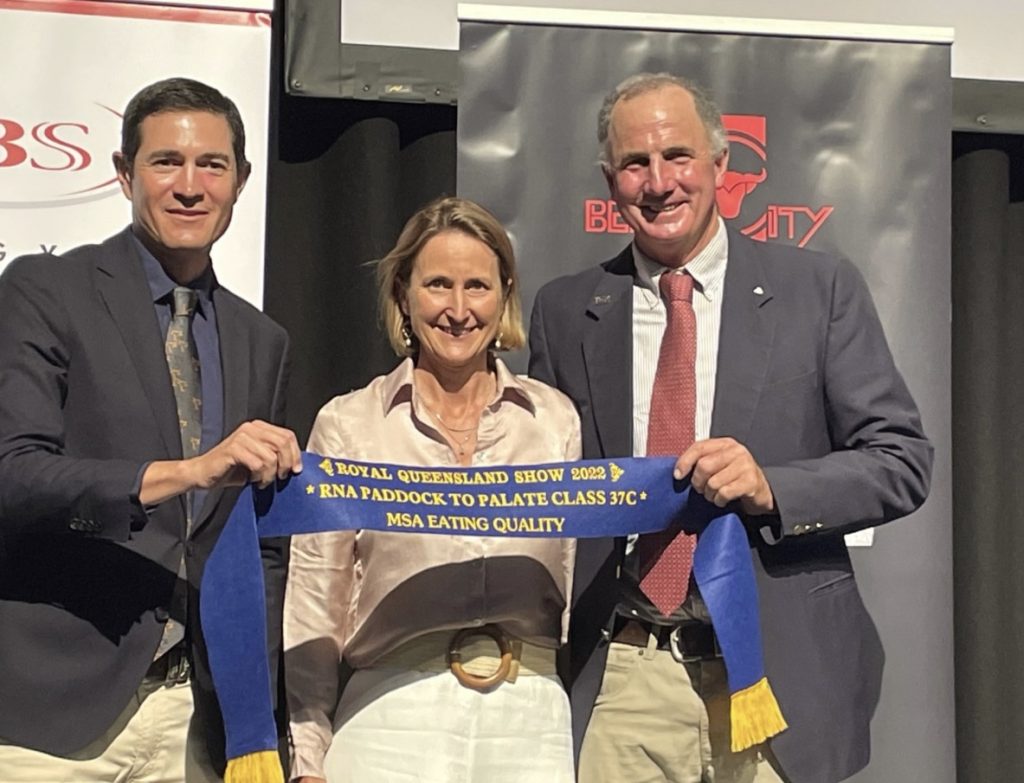
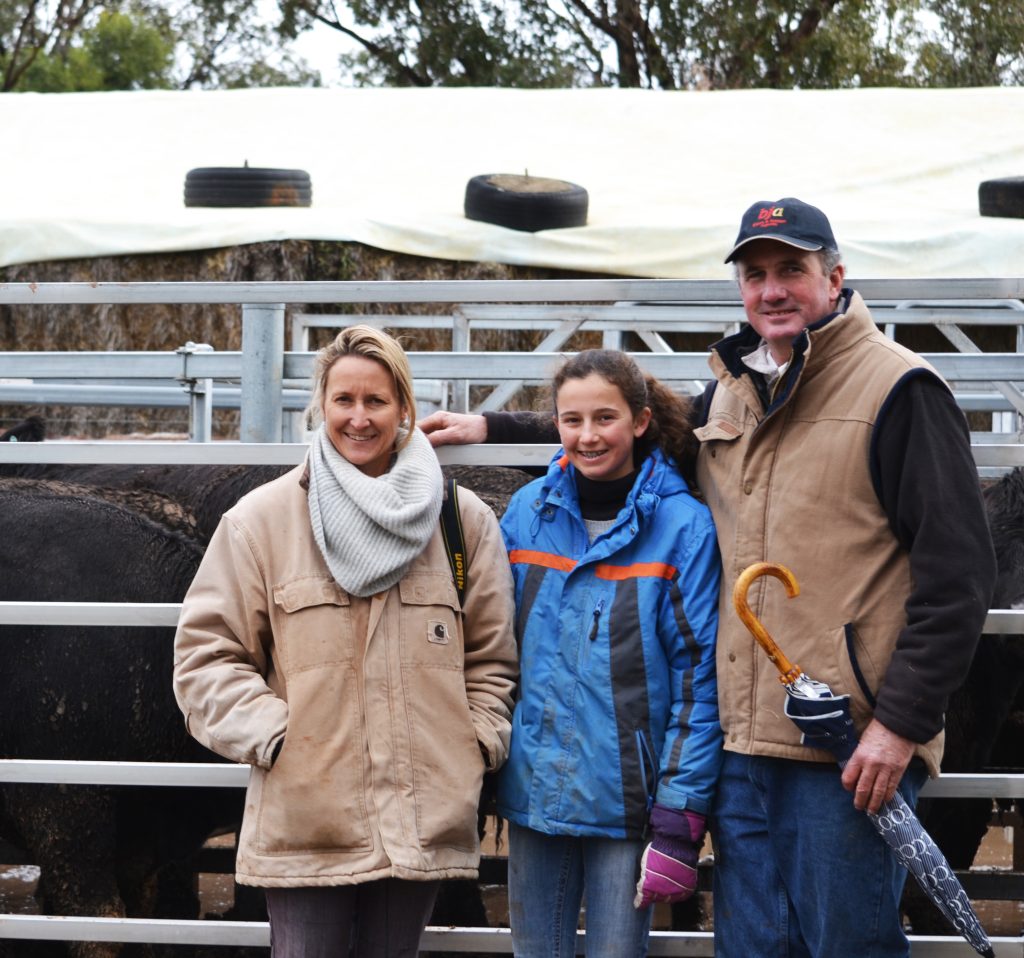
They also knew this was the only carcase competition in the country that undertook a taste test of every striploin by a panel of expert RAS judges. Never before had the stud ever entered any carcase competitions and what’s humbling for Ben and Wendy is for the last 4 years Texas Angus has dominated this competition by receiving a broad ribbon in every class with either heifers or steers and in both domestic and export fed categories. Every year they have taken out the highest daily weight, the highest or equal highest marble score of the competition and the most profitable.
In late 2017 with only 18 steers left, Ben and Wendy decided they wanted to enhance further their benchmarking program and enter Australia’s largest and most prestigious carcase competition, 2018 Beef Australia’s ANZ National Carcass Competition. All their steers placed in the top 50 of 492 entries across Australia and 3 steers won the fiercely contested 100-day fed Export Chiller Bullocks (300 – 420kgs) class.
It was the largest class of the competition by 330 heads, with 21 processing plants involved and entries from every state of Australia, it was quite a memorable achievement. Once again this valuable information has been analysed, and sires and dams have been identified and joined accordingly so our clients will be able to access these genetics for their herds to ultimately increased their herd’s profitability. It should be noted in all the RAS Beef Challenge competitions Texas steers/heifers had the highest marble score of the competition and placed 3rd in all the 1077 entries of Beef Australia’s ANZ National Carcase Competition.
Little did they invisage the success would achieved over the last 10 years! They have won broad ribbons every year and have entered the prestigious RNA Paddock to Palate Competition for the last 4 years and have placed runner up for the hotly contested 100 HGP Free Export class! We are not only increibly proud of the wchievements but believe our breeding program is performing exceptionally and our clients will be rewarded by our genetics.
Soil Health, Ecology & Envirnoment
Also in conjunction with our balanced breeding program, we’ve followed the same principles with our soils and animal nutrition. We have always been focused on sustainability and protecting our precious soil biology and animal health.
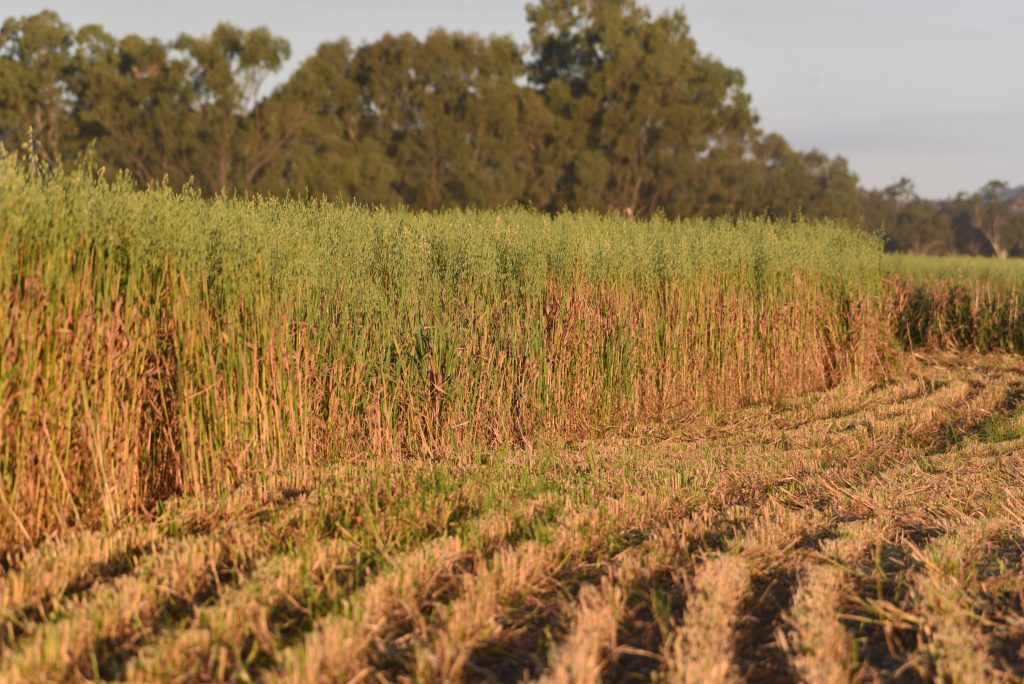
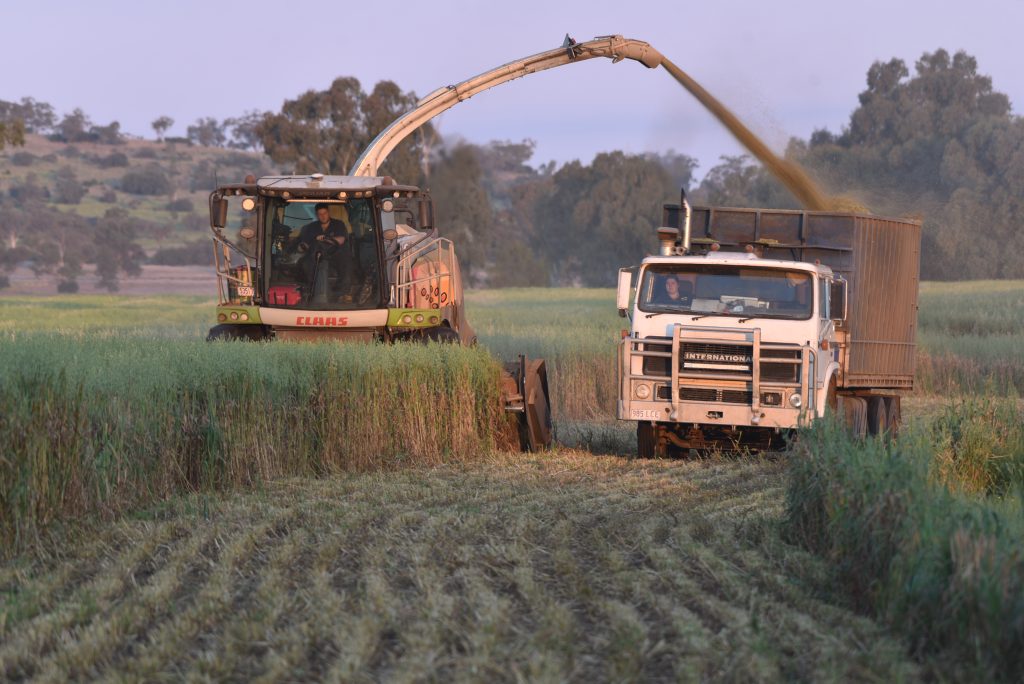
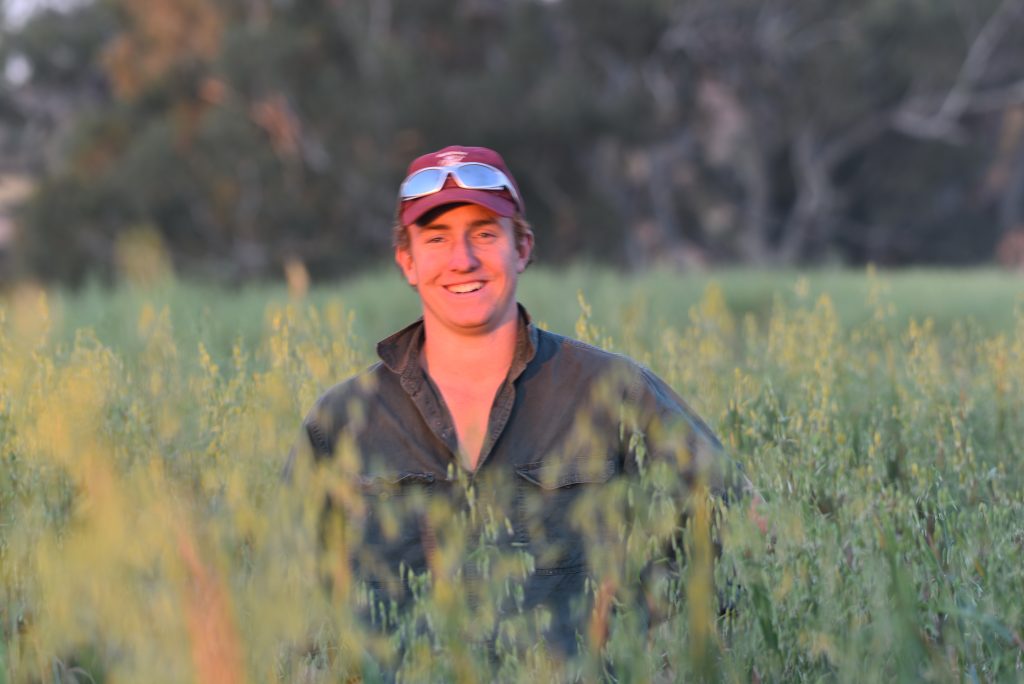
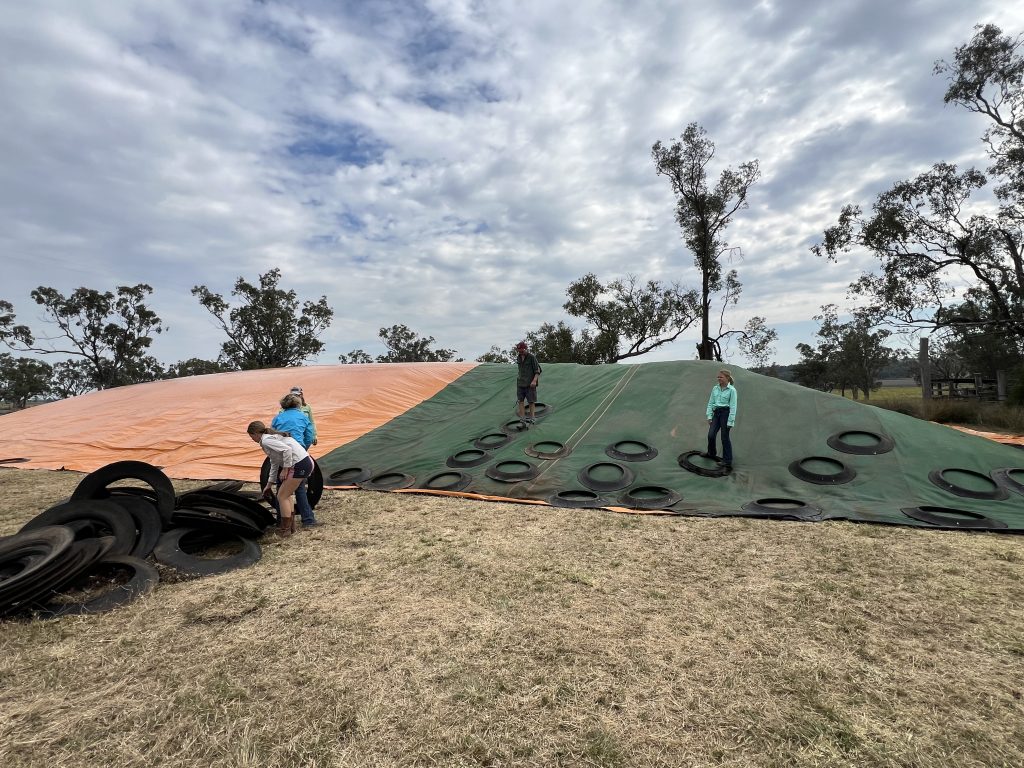
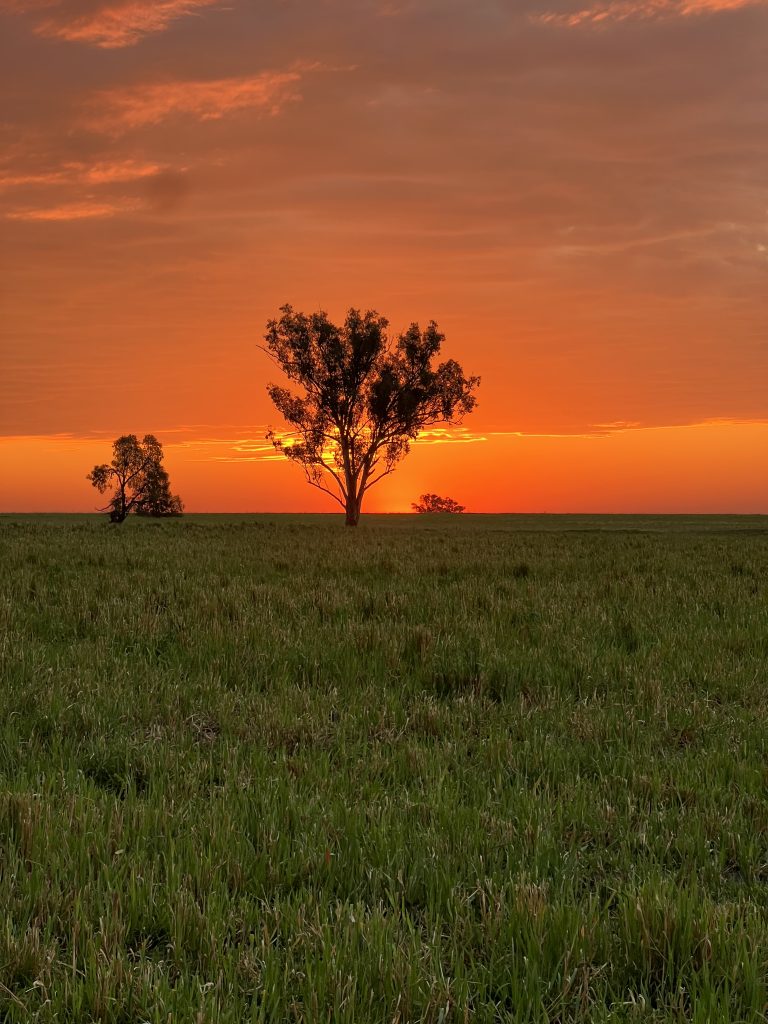
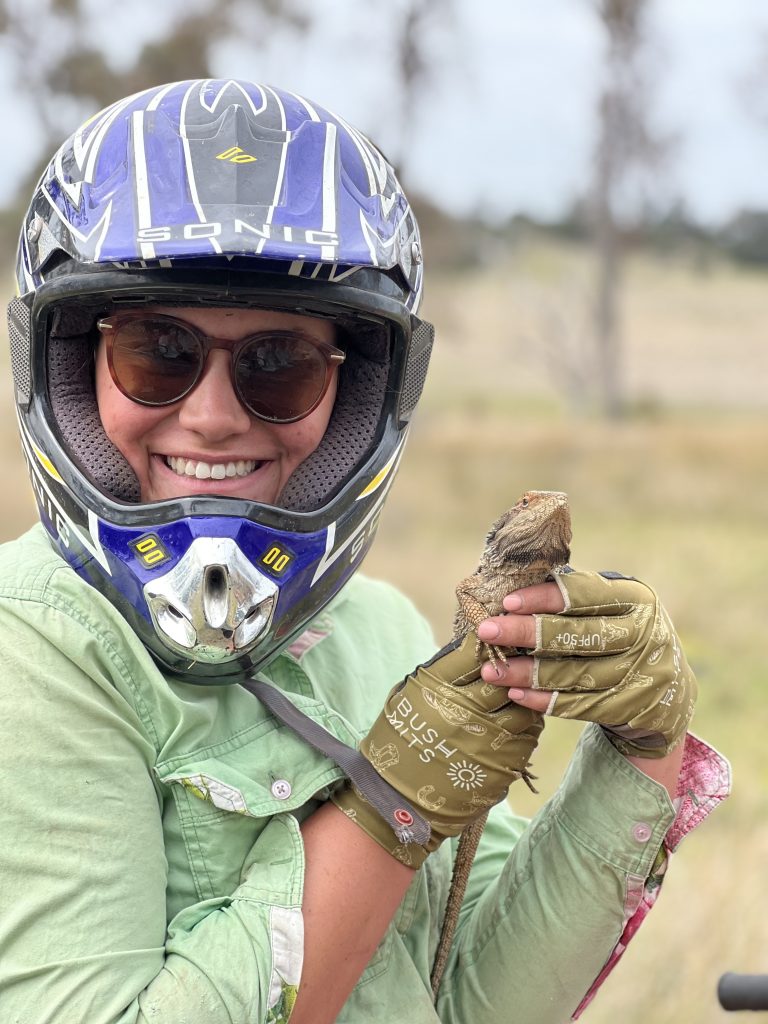
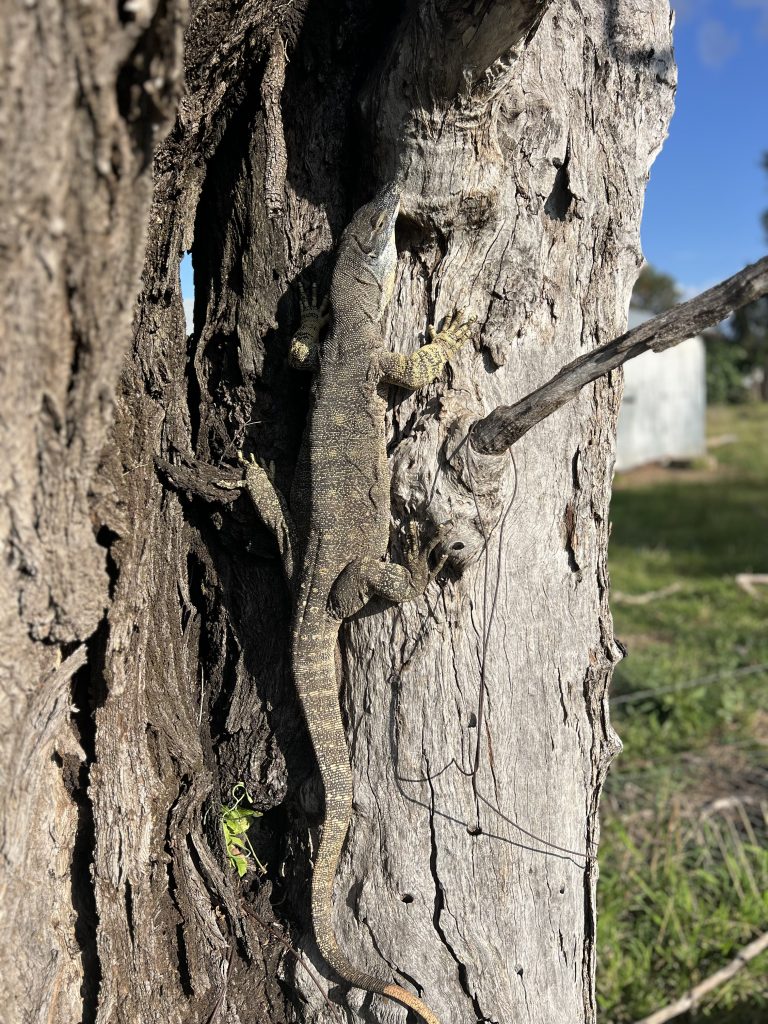
Blending beef production harmoniously with the Australian environment by adopting practices that ensure our cattle farming enterprise works in synergy with the local ecology and wildlife. We achieved this by implementing sustainable land management techniques such as rotational grazing to prevent overgrazing, slowing down water run off with contours, improved pastures with greater biomass, increasing water soaks, adding microbes, using mineralised fertilsers and enhancing biodiversity and wildlife.
By integrating conservation efforts with beef production, we can support ecosystem services like carbon sequestration, healthy soil regeneration, and thriving wildlife populations, all while maintaining a productive and profitable seedstock operation.
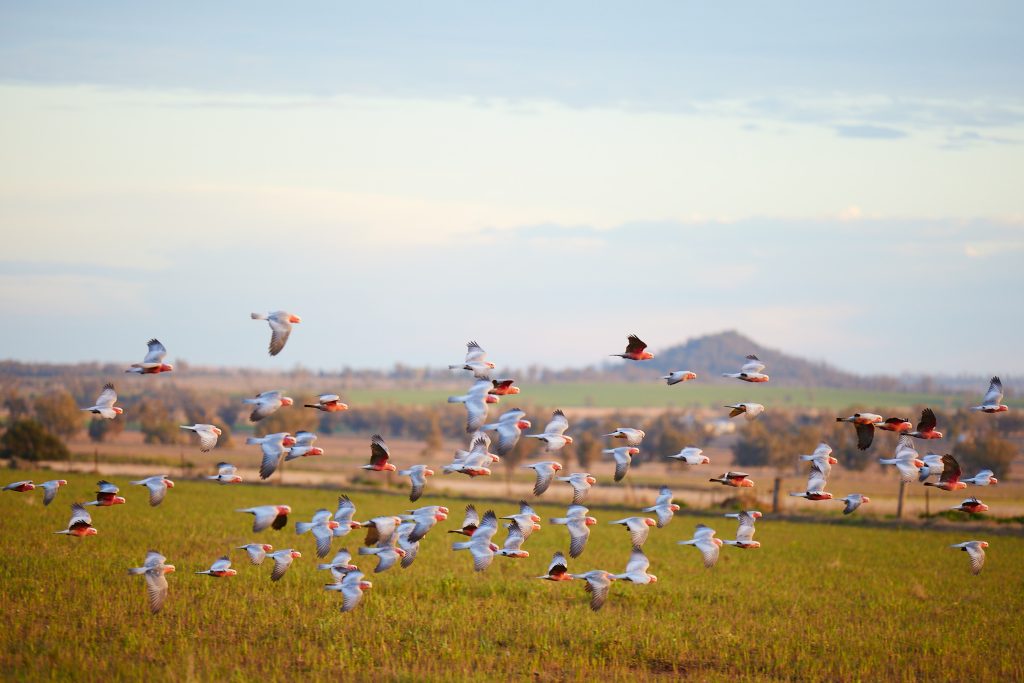
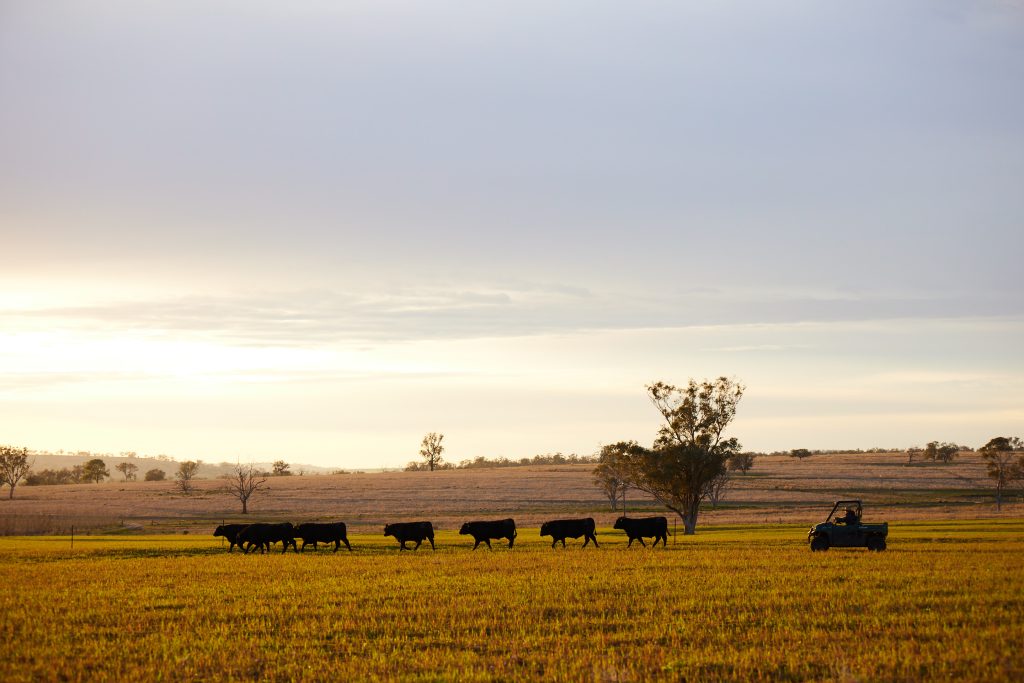
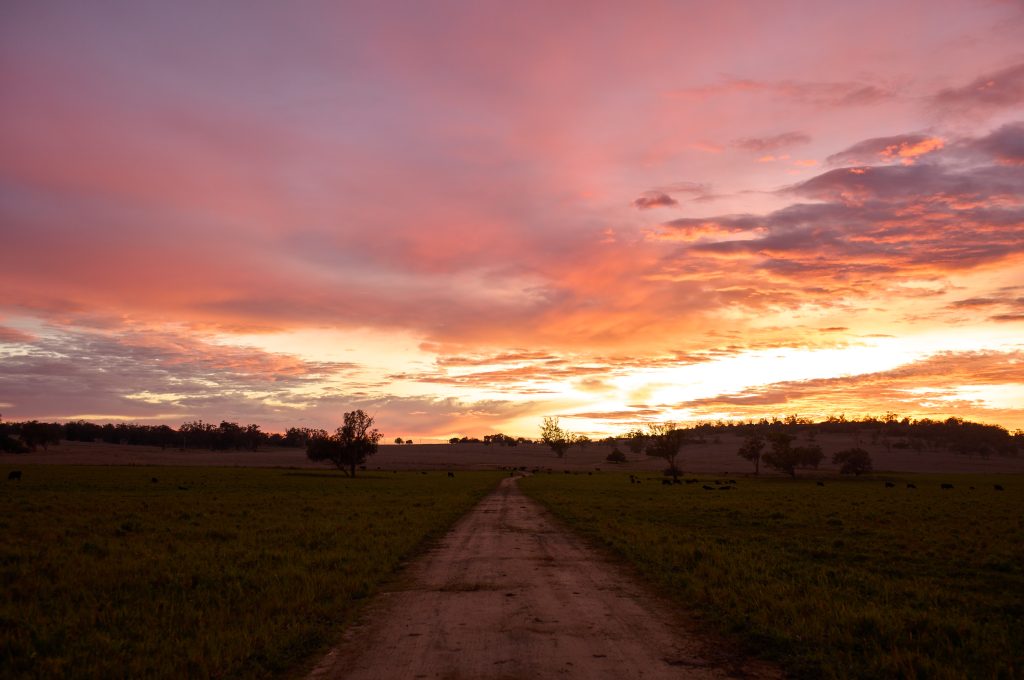
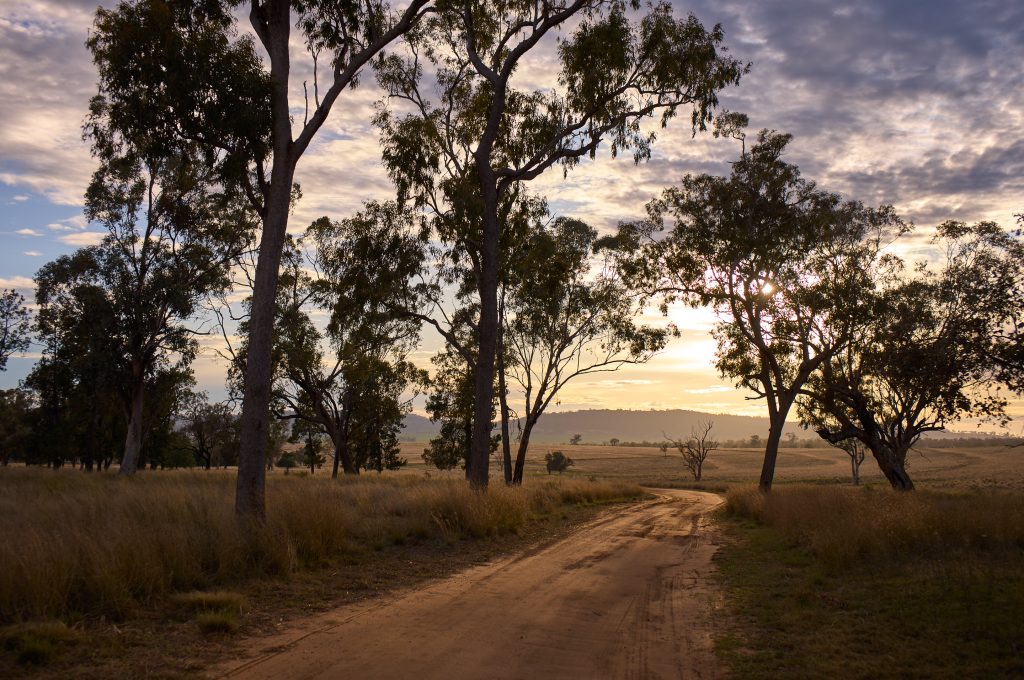
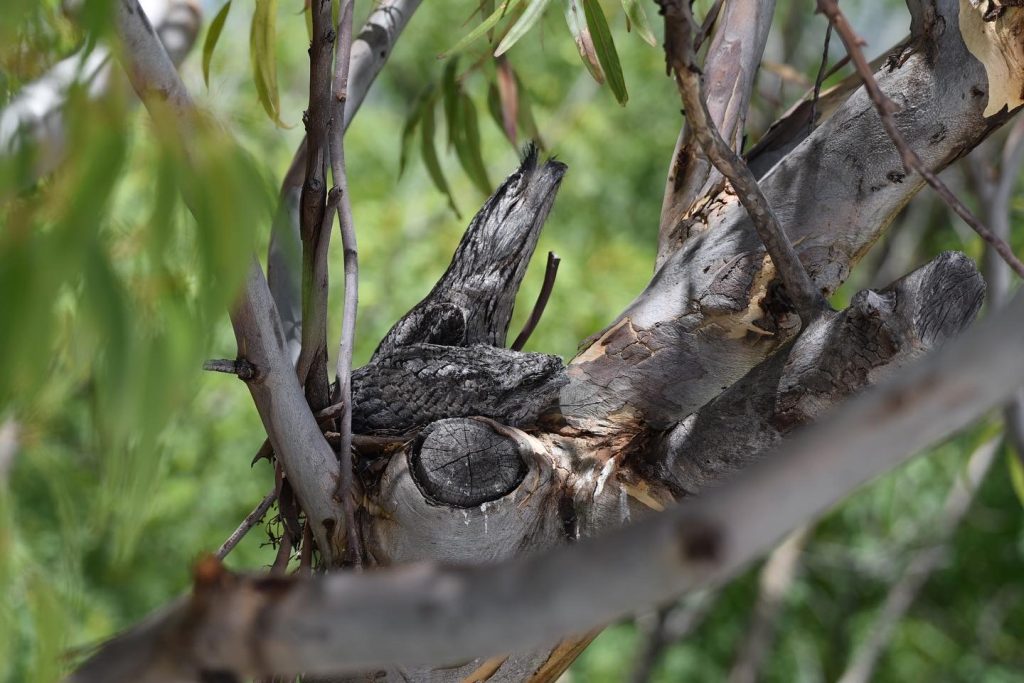
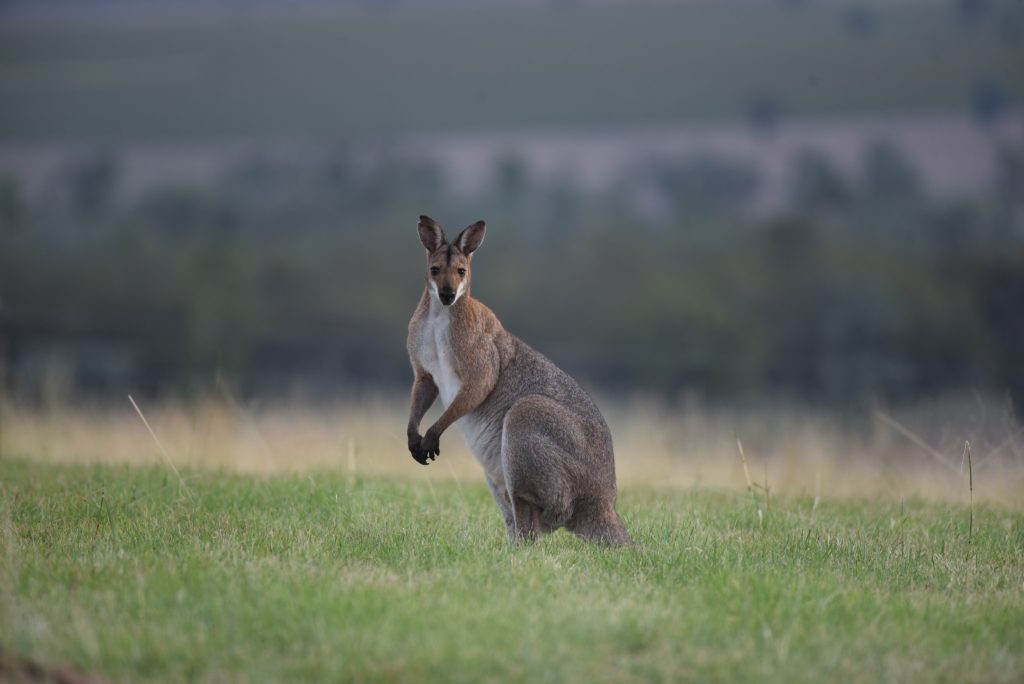
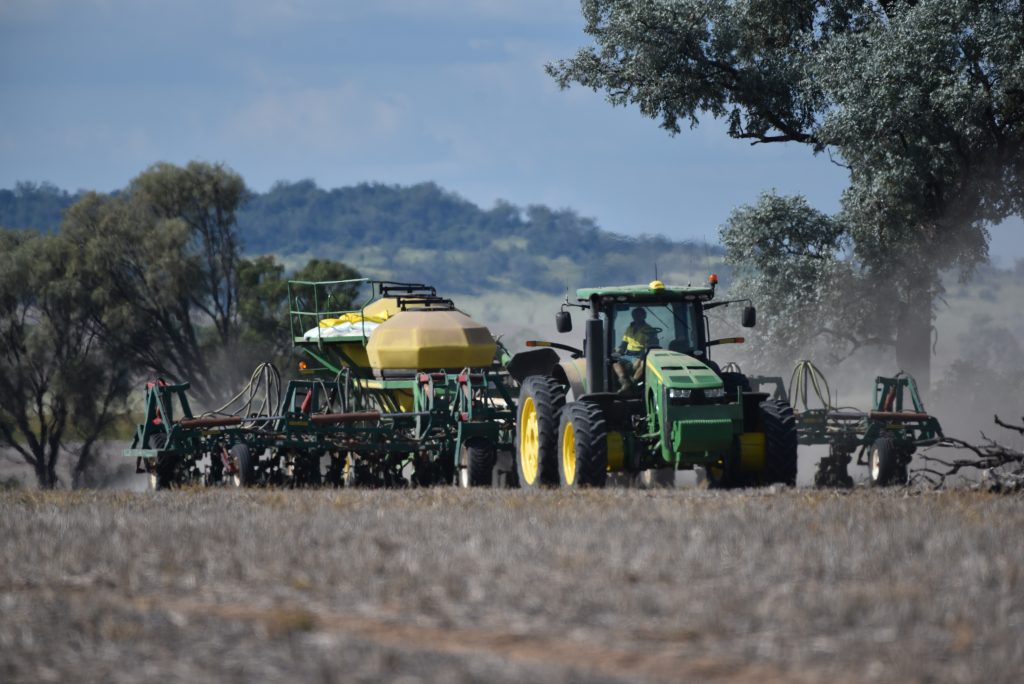
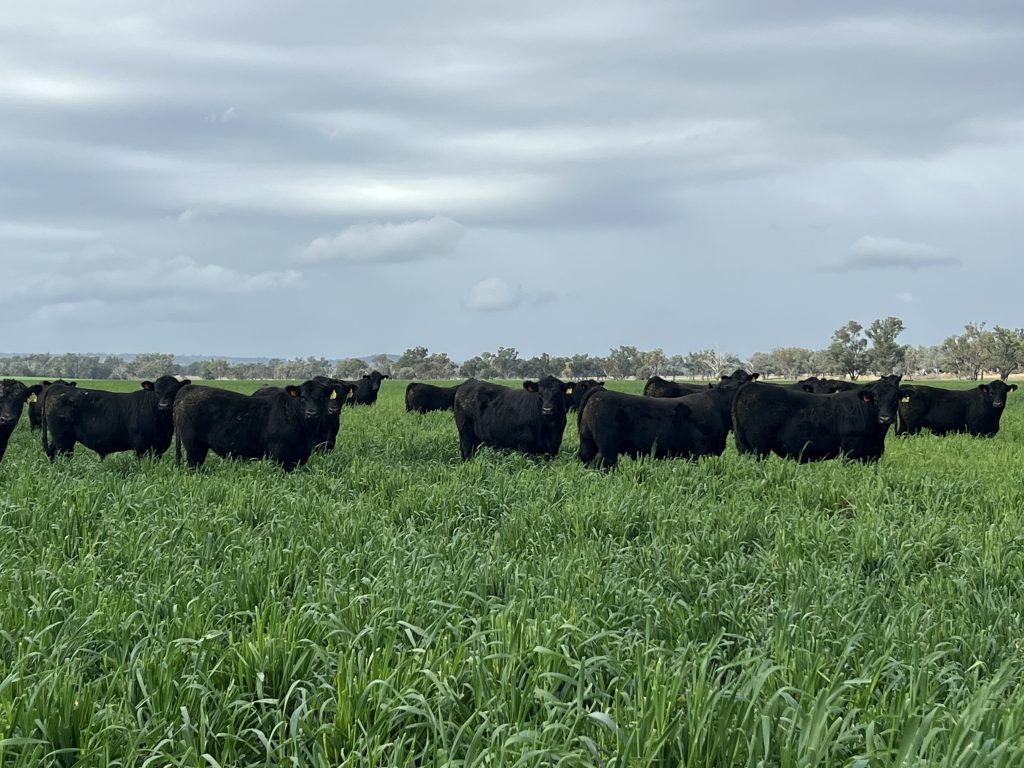
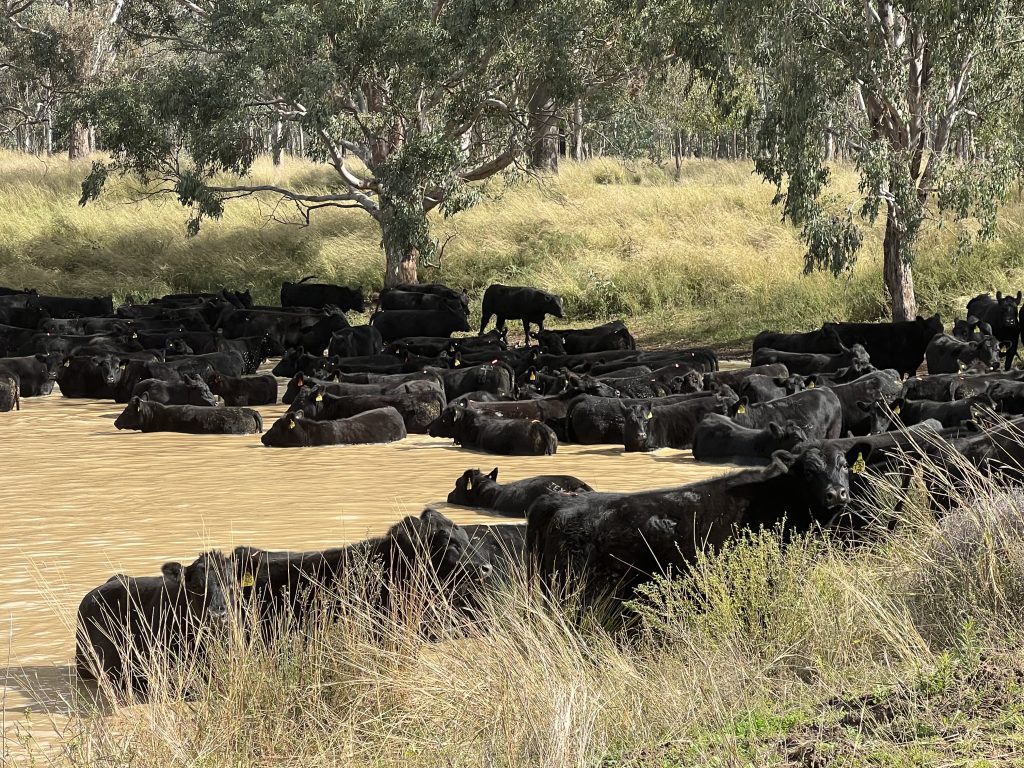
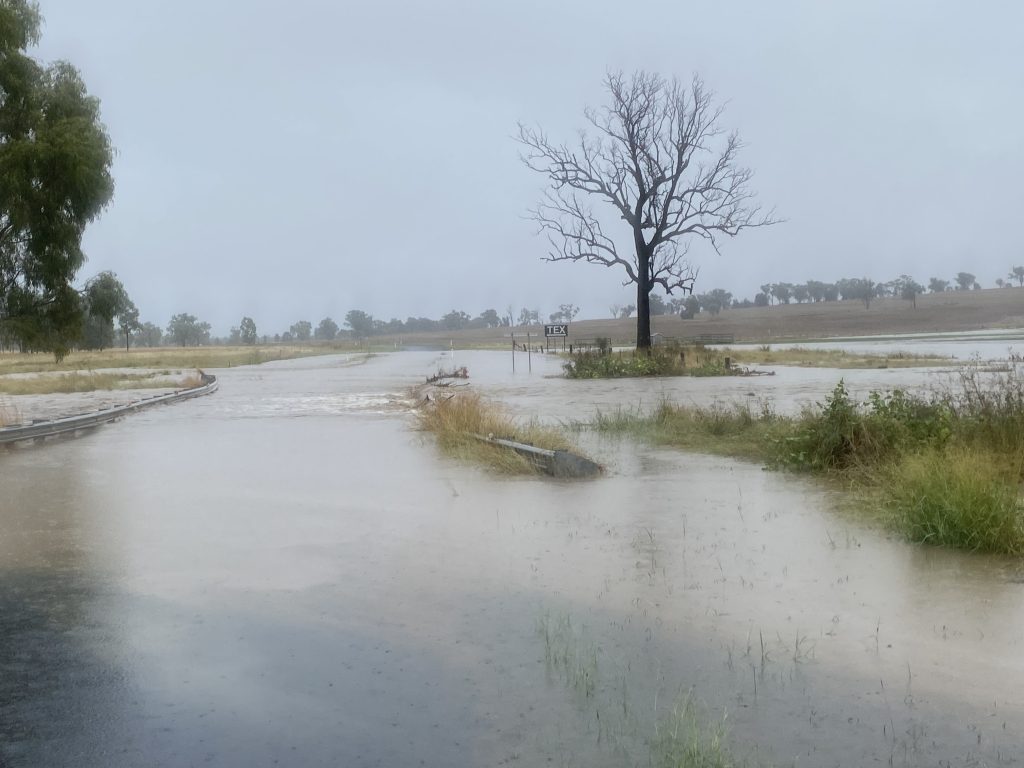
This approach not only protects the land but also aligns with growing consumer demands for sustainably raised beef.
These techniques certainly help us through the very challenging times of market volatility and unpredictable weather events.